
- Home/
- Buy Propecia Without Prescription in the United States Online
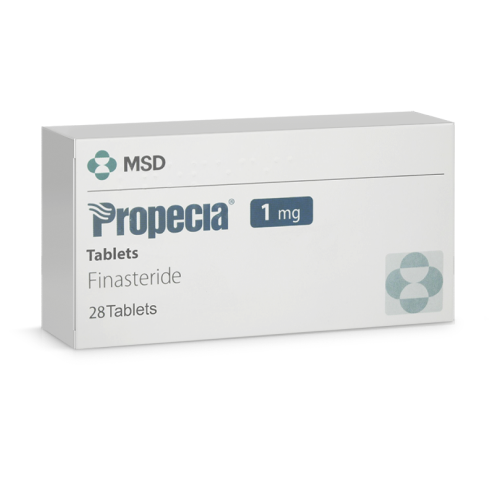
Can Propecia Be Obtained Without a Prescription in the United States?
No, Propecia (finasteride 1 mg) is a prescription-only medication in the United States. It cannot be legally obtained without a valid prescription from a licensed healthcare provider. Over-the-counter sales are not permitted according to current FDA regulations.
Key Takeaways: What Every Patient Should Know About Propecia
- Propecia is intended for men with male pattern hair loss (androgenetic alopecia) and is not suitable for use by women or children.
- Visible results typically appear after three to six months of consistent daily use; stopping treatment usually leads to hair loss recurrence within months.
- A prescription from a licensed healthcare provider is required in the United States; telehealth consultations are commonly accepted.
- The most important safety consideration is the risk of sexual side effects and the strict contraindication in pregnant women or women trying to conceive.
- Medical advice should be sought promptly if you experience persistent side effects, mood changes, or symptoms of a severe allergic reaction.
- Generic versions of finasteride (1 mg) are available and typically provide equivalent clinical effectiveness at lower cost.
How Does Propecia Work to Treat Hair Loss?
Propecia contains finasteride, which is a selective Type II 5-alpha-reductase inhibitor. This enzyme is responsible for converting testosterone into dihydrotestosterone (DHT), a hormone that is significantly involved in the miniaturization of scalp hair follicles in genetically susceptible men. By inhibiting this enzyme, Propecia reduces DHT levels in the scalp and blood, slowing or stopping the progression of hair loss and, in some cases, promoting regrowth of lost hair.
In practical terms, Propecia targets the root hormonal trigger for male pattern baldness, not just the symptoms. The medication’s action is independent of meal times and does not require special conditions to be effective.
Metaphorically, think of Propecia as turning down the “volume” on the hormone that speeds up hair follicle shrinkage. With less DHT, hair follicles can regain their previous size and function, leading to visible hair thickening in some users.
Why Patients’ Expectations of Hair Regrowth Often Differ from Reality
In my clinical experience, many patients expect rapid and dramatic hair regrowth within weeks of starting Propecia. However, the reality is that hair growth is a slow biological process, and even the best responders typically see only gradual changes over several months. It’s common for patients to judge the treatment’s effectiveness based on new hair growth, when in fact, the primary benefit may be the prevention of further hair loss. Few patients realize that stabilizing their current hair density is considered a successful outcome. It’s also important to remind patients that temporary increased shedding (“shedding phase”) can occur early in treatment, which is often mistaken for treatment failure but is usually a normal transition as healthier hair cycles begin. Patients rarely ask about the time frame for visible results or how to distinguish between natural hair cycles and medication effects. Education about these nuances can help manage expectations and reduce unnecessary discontinuation of therapy.
How Should Propecia Be Taken for Maximum Effectiveness?
The standard dose of Propecia for male pattern hair loss is 1 mg taken orally once daily, ideally at the same time each day. The tablets may be taken with or without food. Do not increase the dose above 1 mg, as higher doses do not improve hair growth and may increase the risk of side effects.
- Do not split or crush Propecia tablets, especially if there are women of childbearing age in the household, as the active ingredient can be absorbed through the skin and may cause birth defects.
- Duration of use: Most patients need at least three months of daily use to assess initial effectiveness. Maximum benefit is usually seen after 12 months. Continued use is necessary to maintain results.
- Missed dose: Skip the missed dose and take the next scheduled tablet at the usual time. Do not double the dose to make up for a missed tablet.
- Special populations: No dose adjustment is required for elderly men or those with mild to moderate renal impairment, but safety in severe liver dysfunction has not been established.
Always follow your healthcare provider’s specific instructions.
Does Food, Alcohol, or Lifestyle Affect Propecia’s Absorption or Effectiveness?
Food: Propecia can be taken with or without food, as meals do not meaningfully alter absorption.
Alcohol: There is no direct interaction between moderate alcohol consumption and finasteride, but excessive drinking may contribute to additional hair loss and should be avoided for overall health.
Grapefruit juice: No clinically significant interaction with grapefruit juice has been identified.
Physical activity and stress: These do not directly impact Propecia’s effectiveness, but overall health and stress management may influence hair health.
Summary: Propecia does not require dietary or lifestyle restrictions, but optimal results come from regular, consistent use.
Who Should Not Take Propecia? Contraindications and Red Flags
- Absolute Contraindications
-
- Women who are pregnant or may become pregnant: Risk of fetal harm due to anti-androgenic effects.
- Children and adolescents: Safety and effectiveness have not been established.
- Known hypersensitivity to finasteride or any inactive ingredients.
- Relative Contraindications (Caution Required)
-
- Patients with significant liver disease: Finasteride is metabolized in the liver; consult your doctor.
- History of prostate cancer: Propecia may affect PSA (prostate-specific antigen) levels, possibly masking early detection of prostate cancer.
- Men planning to father a child: Finasteride can be present in semen in trace amounts; while risk appears very low, discuss with your doctor if planning conception.
After a heart attack or major surgery, Propecia is not specifically contraindicated, but always consult your physician before starting any new medication.
What Side Effects Are Most Common with Propecia?
Like all medications, Propecia can cause side effects. These are divided by frequency:
- Very common (>1/10): No very common side effects identified in clinical trials at the 1 mg dosage.
- Common (1/100 to 1/10):
- Reduced libido (sexual drive)
- Erectile dysfunction
- Ejaculation disorders (e.g., reduced volume)
- Uncommon (1/1,000 to 1/100):
- Tender or enlarged breast tissue
- Testicular pain
- Rash or itching
- Depressed mood
- Rare (<1/1,000):
- Persistent sexual dysfunction after discontinuation
- Male breast cancer (very rare reports)
- Infertility (reversible in most cases after stopping)
- Angioedema (severe allergic swelling)
Mechanism: Most side effects are related to reduced DHT and lower androgen activity affecting sexual function.
If you experience persistent side effects, stop the medication and contact your healthcare provider. Seek emergency help if you experience signs of a severe allergic reaction (swelling, difficulty breathing, rash).
Table: Propecia Technical Reference
| Parameter | Value |
|---|---|
| Active Ingredient | Finasteride |
| Standard Dose | 1 mg tablet once daily |
| Tablet form | Film-coated, not scored (do not split) |
| Metabolism | Liver (via CYP3A4); excreted primarily via urine and feces |
| Half-life (T1/2) | ~6 hours (younger adults), up to 8 hours (elderly) |
| Time to Effect | Minimum 3 months regular use |
| Storage | Room temperature (68°F–77°F / 20°C–25°C) |
| Packaging | Blister packs or bottles; original brand has distinct labeling & embossing |
Compatibility Checklist: Propecia and Other Medications
| Type of Product | Can it be combined? | Consequences |
|---|---|---|
| Minoxidil (topical) | Yes | No significant interaction; may be used together for additive effect |
| Testosterone therapy | Use caution | May reduce Propecia effectiveness; discuss with doctor |
| SSRIs (antidepressants) | Yes | No direct interaction, monitor for mood changes |
| Alpha-blockers (for prostate) | Use caution | Can lower blood pressure; monitor for dizziness |
| Warfarin (blood thinner) | Yes | No clinically significant interaction |
| Grapefruit juice | Yes | No significant interaction documented |
Common Patient Mistakes with Propecia and How to Avoid Them
- Discontinuing too early: Many patients stop after 1–2 months when there’s no visible regrowth. Why it’s a problem: Hair growth cycles are slow; results require at least 3–6 months. Avoid by: Setting realistic expectations and committing to regular use for a minimum evaluation period.
- Irregular dosing: Missing doses or taking tablets at inconsistent times reduces effectiveness. Avoid by: Linking medication to a daily routine, like brushing teeth.
- Handling tablets carelessly around pregnant women: Crushed tablets can be absorbed through skin. Avoid by: Never splitting or crushing tablets; store securely.
- Not informing their physician about all medications: Overlooking drug interactions or masking PSA levels. Avoid by: Always providing a full medication and health history.
- Stopping abruptly due to initial increased hair shedding: Some patients panic during the “shedding phase,” but this is often a sign that treatment is working. Avoid by: Discussing potential early effects with your provider before starting.
- Assuming more is better: Doubling the dose does not speed up results and increases side effect risk. Avoid by: Sticking to the prescribed 1 mg daily dosage.
How Does Propecia Compare to Other Hair Loss Treatments?
Below is a structured comparison of Propecia, minoxidil (topical), and dutasteride (another 5-alpha-reductase inhibitor sometimes used off-label in the U.S.). Prices are estimated retail costs per month (2026) and may vary by location, pharmacy, and insurance.
| Medication | Onset of Effect | Duration of Use | Common Side Effects | Cost per Month (USD) | Prescription Needed? |
|---|---|---|---|---|---|
| Propecia (finasteride 1 mg) | 3–6 months | Indefinite (to maintain effect) | Sexual dysfunction, decreased libido | $35–$90 (brand); $10–$25 (generic) | Yes |
| Minoxidil (topical 5%) | 4–6 months | Indefinite | Scalp irritation, unwanted facial hair (rare) | $18–$35 | No (OTC) |
| Dutasteride (off-label, 0.5 mg) | 3–6 months | Indefinite | Sexual dysfunction, increased side effect risk vs finasteride | $70–$130 (brand); $25–$40 (generic) | Yes |
Bottom line: Propecia is effective for many men seeking to prevent further hair loss, with a well-studied safety profile. Minoxidil offers a non-prescription alternative, but combining treatments may provide the best results for some patients. Dutasteride is not FDA-approved for male pattern hair loss but is sometimes used off-label.
Step-by-Step: How to Obtain Propecia Legally in the United States
- Consultation: Schedule an appointment with a board-certified healthcare provider, such as a family physician or dermatologist—either in-person or via a legitimate telemedicine service.
- Medical assessment: The provider will evaluate your hair loss pattern, review your medical history, and discuss treatment options.
- Prescription issuance: If appropriate, your provider will issue an electronic or paper prescription for Propecia (finasteride 1 mg).
- Pharmacy fulfillment: Present your prescription at a licensed U.S. pharmacy—retail or mail-order—or use a verified online pharmacy that dispenses FDA-approved medications.
- Follow-up: Schedule periodic follow-up visits to assess effectiveness, side effects, and monitor prostate health if indicated.
Doctor Answers: Practical Clinical Insights About Propecia Treatment
- How do I know if Propecia is working for me?
- Generally, the first sign of success is the slowing or halting of hair loss rather than new hair growth. Visible improvement typically appears after 3–6 months. If you are not seeing any stabilization after a year, consult your provider.
- Will I lose my newly grown hair if I stop taking Propecia?
- Yes, discontinuing Propecia usually results in a gradual return to your pre-treatment hair loss pattern within 9–12 months. Maintenance therapy is necessary to preserve results.
- Can I combine Propecia with other treatments like minoxidil?
- Yes, these medications work through different mechanisms and are often combined for enhanced effect. Always discuss with your provider before starting new therapies.
- How do you monitor for side effects during treatment?
- I ask patients about changes in sexual function, mood, and any unusual symptoms at each follow-up. Blood tests are not routinely needed unless indicated.
- Does Propecia impact fertility or sperm quality?
- Most men do not experience significant changes in fertility, but rare cases of reduced sperm count and quality have been reported. These effects typically reverse after discontinuation.
- Is there a risk of masking prostate cancer with Propecia?
- Propecia can lower PSA levels, potentially affecting screening for prostate cancer. Your doctor will interpret PSA results accordingly and may adjust testing protocols.
- Can I take Propecia if I have other chronic diseases?
- Finasteride can be used in many chronic conditions, but always inform your provider about all medications and health problems to ensure it is safe for you.
Pharmacokinetics of Propecia: How Is It Processed and Eliminated?
Absorption: Oral finasteride is well absorbed, reaching peak plasma concentrations in about two hours after ingestion.
Metabolism: It is extensively metabolized in the liver, primarily via the CYP3A4 enzyme pathway.
Excretion: Metabolites are eliminated through the urine (39%) and feces (57%).
Half-life: The average terminal elimination half-life is about 6 hours in younger adults and up to 8 hours in men over 70.
Practical tip: Patients with significant liver disease should consult their physician before starting Propecia, as altered metabolism may affect drug levels.
Special Patient Groups: What Should You Know?
- Elderly men: No dose adjustment is required, but increased monitoring for side effects may be prudent.
- Men with liver impairment: Use caution and consult your doctor—finasteride is metabolized by the liver.
- Men with kidney disease: No dosage adjustment appears necessary for mild-to-moderate impairment.
- Women and children: Propecia is strictly contraindicated.
- Fertility and family planning: Rarely, reversible fertility changes have been reported; discuss with your physician if you are planning to conceive.
- Driving and operating machinery: Propecia does not impair mental alertness or coordination.
Online Pharmacy Safety: How to Avoid Unsafe Sellers in the United States
- Verify site legitimacy: Use pharmacies verified by the National Association of Boards of Pharmacy (NABP) through the .pharmacy program.
- Check for U.S. address and contact information: Legitimate pharmacies provide a physical U.S. address and phone number.
- Prescription requirement: Safe pharmacies always require a valid prescription from a licensed provider.
- Beware of: Sites offering “no prescription,” prices far below market rate, or foreign versions of Propecia.
- FDA resources: Check the FDA’s BeSafeRx initiative for lists of safe online pharmacies.
- Risks of non-accredited sellers: Increased chance of counterfeit or substandard medications, loss of consumer protection, and possible legal issues.
How to Identify Counterfeit Propecia and What Are Generics?
Original Propecia packaging: Film-coated tablets, pale brown in color, marked with “PROPECIA” and “MSD 71” (Merck’s identifier). Available in tamper-evident blisters or original bottles with branded logos. U.S. packaging often includes a QR code, hologram, or unique lot number for verification.
Warning signs of counterfeits: Unusually low prices, packaging discrepancies (misspellings, poor print quality), tablets of inconsistent color or size, and lack of U.S. pharmacy labeling.
What are generics? Generic finasteride 1 mg products are FDA-approved and must match Propecia in active ingredient, strength, quality, and clinical effectiveness. They may contain different inactive ingredients (excipients), which can rarely cause allergic reactions in sensitive individuals. Generics offer a safe and affordable alternative when purchased from licensed U.S. pharmacies.
- Generics advantage: Lower cost, same clinical benefit.
- Generics disadvantage: Rare risk of allergy to a different filler or dye.
Quality Check: How Should Propecia Look?
- Tablet: Pale brown, film-coated, oval, engraved with “PROPECIA” and “MSD 71.”
- Packaging: U.S. original packs have manufacturer logo, FDA-required labeling, lot number, and often a QR code or holographic element.
- Bottle or blister: Tamper-evident, with clear dosing instructions.
- Any deviation from these features—such as different color, broken seals, or foreign language inserts—should prompt verification with a pharmacy or reporting to the FDA.
Myth vs Reality: What Should You Expect from Propecia?
Reality: It usually takes 3–6 months for any visible change, and the primary benefit is stopping further hair loss—not restoring all lost hair. Not all users will notice significant regrowth.
Reality: Most side effects resolve after discontinuation, but rare cases of persistent symptoms have been reported.
What to Do in Case of Overdose or Severe Side Effects
- Stop taking Propecia immediately.
- Call emergency services (911) or go to the nearest emergency room.
- Inform the medical team about the dose and time of ingestion.
- Bring the medication packaging to assist with identification and management.
No specific antidote is available. Supportive care will be provided as needed.
Psychological Support: You Are Not Alone
Male pattern hair loss is very common and often has a psychological impact. It’s important to remember that you are not alone and that effective, evidence-based medical options exist. If hair loss affects your self-esteem or mental well-being, consider discussing your concerns with a trusted partner or a healthcare professional specializing in dermatology or mental health.
Clinical Assessment by doctor: Who Benefits Most from Propecia?
In my clinical judgment, Propecia is most beneficial for men between the ages of 18 and 41 who have early to moderate male pattern hair loss and wish to slow the progression or possibly regrow some hair. The medication is unlikely to be effective for areas of longstanding baldness with little to no hair present, as it mainly works by reversing the miniaturization process of active follicles. Men with a family history of androgenetic alopecia and recent onset of hair thinning are ideal candidates.
Patients with severe liver disease, those seeking hair restoration for non-androgenetic causes, or anyone with contraindications should not use Propecia. For men who experience unacceptable side effects, or whose primary goal is immediate and significant regrowth, alternative treatments such as topical minoxidil, hair transplantation, or non-pharmacologic options may be more appropriate.
Periodic reassessment is crucial—especially if patients notice new symptoms, changes in sexual function, or have a history of prostate conditions. In all cases, a personalized approach—guided by realistic expectations and evidence-based medicine—delivers the best outcomes.
Frequently Asked Questions About Propecia in the United States
- How long should I take Propecia before expecting results?
- Most men need to take Propecia daily for at least three months before noticing a decrease in hair loss. Maximum benefit is usually seen after 12 months.
- Is Propecia covered by insurance in the United States?
- Coverage varies by insurance plan and region. Many plans do not cover Propecia for cosmetic hair loss, but generics may be more affordable out of pocket.
- Are there any natural alternatives that work as well as Propecia?
- No natural products have clinically proven effectiveness comparable to Propecia for androgenetic alopecia.
- Can women use Propecia for hair loss?
- No. Propecia is not approved for use in women due to the risk of birth defects and uncertain effectiveness in female hair loss.
- Does Propecia interact with other common medications?
- Propecia has few significant drug interactions, but always inform your physician about all medications and supplements you are taking.
- How much does Propecia cost per month?
- Brand-name Propecia typically costs $35–$90 per month; FDA-approved generics range from $10–$25 per month in the United States.
- Can I buy Propecia online safely in the United States?
- Yes, but only from licensed online pharmacies that require a valid prescription and are accredited by U.S. regulatory authorities.
- Does Propecia cure baldness permanently?
- No. While it can slow or stop hair loss, its effect wears off after stopping the medication and does not permanently restore hair in all users.
- How do I know if the Propecia I received is authentic?
- Check for U.S.-licensed pharmacy labeling, correct packaging, and manufacturer details. When in doubt, consult your pharmacist or use official verification tools.
- Can Propecia affect my PSA test for prostate cancer?
- Yes, it can lower PSA levels by about 50%. Inform your healthcare provider if you are taking or have taken Propecia so they can interpret results correctly.
References
- U.S. Food and Drug Administration (FDA) – Drug Information Portal. Accessed March 2026. https://www.fda.gov
- Mayo Clinic – Finasteride (Oral Route) Description and Brand Names. Accessed March 2026. https://www.mayoclinic.org/drugs-supplements/finasteride-oral-route/description/drg-20063861
- National Institutes of Health (NIH) – MedlinePlus: Finasteride. Accessed March 2026. https://medlineplus.gov/druginfo/meds/a698016.html
- PubMed: Rossi, A. et al. “Update on the management of androgenetic alopecia and the role of finasteride: literature review.” Dermatol Ther. 2024. https://pubmed.ncbi.nlm.nih.gov
- ClinicalTrials.gov – “Finasteride for Male Pattern Hair Loss.” Accessed March 2026. https://clinicaltrials.gov
- BeSafeRx: Your Source for Online Pharmacy Information. FDA. https://www.fda.gov/drugs/besaferx-your-source-online-pharmacy-information
- National Association of Boards of Pharmacy (NABP): Safe.Pharmacy Verification. https://safe.pharmacy
- American Academy of Dermatology Association – “Hair Loss: Overview.” Accessed March 2026. https://www.aad.org/public/diseases/hair-loss
- Merck & Co. – Propecia U.S. Prescribing Information. Accessed March 2026. https://www.merck.com