
- Home/
- Buy Prednisolone Without Prescription in the United States Online
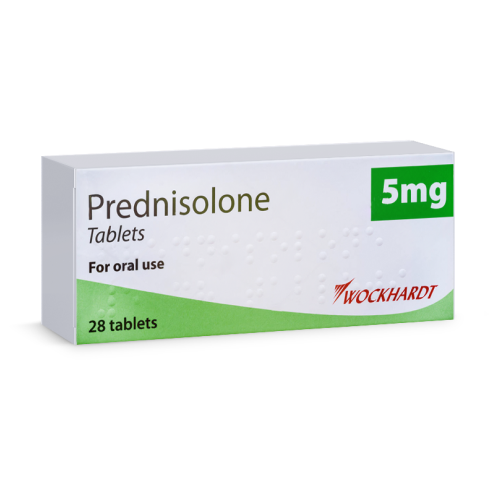
This article is for informational purposes only. Medication use is only possible after consultation with a doctor. Self-medication carries significant risks to your health and may be life-threatening.
Can Prednisolone Be Obtained Without a Prescription in the United States?
Prednisolone is available by prescription only in the United States. Federal regulations prohibit its sale without a valid prescription from a licensed healthcare provider. Any offer of Prednisolone without a prescription is not legal and may be unsafe.
Key Takeaways About Prednisolone in the United States
- Prednisolone is a prescription-only corticosteroid, used to manage inflammation in a wide range of conditions, including autoimmune diseases and allergic reactions.
- It is most suitable for individuals who require rapid control of moderate to severe inflammation, under medical supervision.
- Improvement in symptoms can begin within a few hours to days, depending on the condition treated.
- The most important safety concern is potential side effects with prolonged use, such as suppression of the immune system and increased infection risk.
- Patients should consult a healthcare professional before starting therapy, especially if taking other medications or living with chronic conditions.
- Never stop Prednisolone abruptly; always follow your doctor’s instructions for tapering to avoid withdrawal symptoms.
Contents
- How Does Prednisolone Work in the Body? (Mechanism of Action)
- Patient Expectations vs. Clinical Reality: A Physician’s Perspective
- How Should Prednisolone Be Taken? (Dosing, Duration, and Peak Effect)
- How Do Food and Lifestyle Choices Affect Prednisolone?
- When Is Prednisolone Not Safe? (Absolute and Relative Contraindications)
- What Side Effects Are Most Common With Prednisolone?
- Common Mistakes to Avoid With Prednisolone Therapy
- How Does Prednisolone Compare to Other Anti-Inflammatory Medications?
- Prednisolone: Product Characteristics at a Glance
- How to Get Prednisolone Legally in the United States: Step-by-Step Guide
- Questions Patients Often Ask Doctors About Prednisolone
- How to Recognize Legitimate Online Pharmacies for Prednisolone
- Spotting Counterfeit Prednisolone: How to Protect Yourself
- Prednisolone Quality Check: What to Look For in the Pack
- Prednisolone Compatibility With Other Medications
- Pharmacokinetics: How Prednisolone Is Absorbed, Metabolized, and Eliminated
- Prednisolone in Specific Patient Groups: What’s Important?
- Original vs. Generic Prednisolone: What Should You Know?
- Living With Inflammatory Conditions: Psychological Support Matters
- What to Do in Case of a Prednisolone Overdose
- doctor’s Clinical Assessment: Who Benefits Most From Prednisolone?
- FAQ: Direct, Practical Answers About Prednisolone in the United States
- References
How Does Prednisolone Work in the Body? (Mechanism of Action)
Prednisolone is a synthetic glucocorticoid that works by binding to intracellular glucocorticoid receptors. Once inside the cell, it modulates the transcription of specific genes involved in the inflammatory response. Prednisolone inhibits the expression of pro-inflammatory cytokines (such as interleukins and tumor necrosis factor-alpha), suppresses immune cell migration, stabilizes lysosomal membranes, and reduces capillary permeability.
At the biochemical level, Prednisolone specifically inhibits phospholipase A2, leading to reduced production of arachidonic acid and downstream eicosanoids (including prostaglandins and leukotrienes) responsible for inflammation and pain. Additionally, Prednisolone indirectly suppresses the hypothalamic-pituitary-adrenal (HPA) axis, further reducing endogenous cortisol release.
Simplified metaphor: Imagine your immune system as an alarm system. Prednisolone acts like a master switch that temporarily turns down the system’s sensitivity, calming excessive alerts and reducing unnecessary “fire alarms” (inflammation) without fixing the underlying wiring.
Myth vs Reality:
Myth: Prednisolone simply “kills” inflammation instantly.
Reality: Prednisolone suppresses many steps of the inflammatory cascade, but its effects depend on correct dosing, the underlying illness, and patient-specific factors.
Why Do Expectations of Prednisolone’s Benefits Often Differ From Clinical Reality?
In my clinical practice, I often see patients expect a rapid and complete “cure” with Prednisolone, especially for chronic autoimmune or allergic conditions. Many judge the drug’s effectiveness only by short-term symptom relief, overlooking the fact that Prednisolone controls inflammation but does not address root causes. Some patients are surprised to learn that improvements can be gradual or incomplete, particularly with long-standing disease. Another common issue is that patients rarely ask about the risks of long-term corticosteroid use, such as bone thinning or increased infection risk. I urge patients to discuss how “success” should be measured—sometimes the goal is not zero symptoms, but reducing flare frequency or severity. Setting realistic expectations and openly discussing potential complications is key to safe, effective therapy.
How Should Prednisolone Be Taken? (Dosing, Duration, and Peak Effect)
- Standard initial dose: For adults, the starting oral dose varies widely (5–60 mg/day), depending on the condition’s type and severity. For instance, acute asthma attacks may require higher starting doses, while maintenance for mild conditions may use lower doses. Always follow the dose prescribed by your physician.
- Maximum daily dose: Generally, do not exceed 80 mg per day unless specifically instructed by a specialist, as higher doses increase risk of severe side effects.
- Dose adjustments: Older adults, those with liver impairment, or patients with chronic health conditions may require lower doses and close monitoring.
- Tablet splitting: Some strength tablets are scored and can be split; check product labeling or ask your pharmacist before dividing tablets.
- Timing: Prednisolone is usually taken once daily, ideally in the morning with food to mimic natural cortisol cycles and minimize stomach upset.
- Duration: Therapy duration varies from a few days (for acute allergies) to weeks or longer (chronic illnesses); never stop suddenly without tapering unless instructed.
- Onset of effect: Initial improvements are typically seen within 1–4 days, but the full anti-inflammatory effect may take longer, especially in chronic autoimmune disorders.
Takeaway: Dosing must be individualized and closely monitored. Missed doses or abrupt discontinuation can lead to rebound symptoms or adrenal insufficiency.
How Do Food and Lifestyle Choices Affect Prednisolone?
- Food: Taking Prednisolone with food reduces stomach irritation and improves tolerability. High-fat meals do not significantly delay absorption, but always take with a meal or snack.
- Dairy: No specific interaction. Can be taken with milk.
- Alcohol: Combining Prednisolone with alcohol is not recommended due to the increased risk of gastrointestinal bleeding and potential for impaired immune function. There is no absolute prohibition, but limit to no more than one standard drink per day unless your doctor advises otherwise.
- Grapefruit Juice: Not a known interaction; Prednisolone is not metabolized by CYP3A4 to a clinically relevant extent. However, consult your doctor if you consume grapefruit regularly.
- Other lifestyle factors: Smoking does not directly alter Prednisolone’s effect, but may worsen underlying disease.
When Is Prednisolone Not Safe? (Absolute and Relative Contraindications)
- Absolute contraindications (must not use Prednisolone):
-
- Known hypersensitivity to Prednisolone or any ingredient in the formulation.
- Active, untreated systemic fungal infection.
- Recent administration of live or live-attenuated vaccines (risk of disseminated infection).
- Relative contraindications (use with caution and only under close supervision):
-
- Uncontrolled diabetes mellitus (risk of glucose dysregulation).
- Severe hypertension or congestive heart failure (fluid retention can worsen symptoms).
- Peptic ulcer disease or history of GI bleeding (risk of exacerbation).
- Recent myocardial infarction (risk of myocardial rupture may be increased within the first 6 weeks post-event).
- Chronic kidney or liver disease (impaired drug clearance and increased risk of adverse effects).
- History of psychiatric disorders (risk of corticosteroid-induced mood changes or psychosis).
Important: Prednisolone should be used during pregnancy only if the expected benefit outweighs the risk. Special caution is needed in children, as long-term therapy can suppress growth.
What Side Effects Are Most Common With Prednisolone?
- Very Common (>1/10):
-
- Increased appetite, weight gain.
- Mood changes (irritability, euphoria, insomnia).
- Elevated blood glucose.
- Common (1/100 to 1/10):
-
- High blood pressure.
- Edema (swelling), facial rounding (“moon face”).
- Muscle weakness.
- Acne or skin thinning.
- Increased risk of infections.
- Rare (1/10,000 to 1/1,000):
-
- Peptic ulcers or gastrointestinal bleeding.
- Eye problems (cataracts, glaucoma).
- Psychosis or severe mood swings.
- Very Rare (<1/10,000):
-
- Avascular necrosis of bone (hip or shoulder).
- Anaphylactic reaction.
Mechanisms: Most side effects relate to suppression of the body’s natural steroid production, altered glucose and fat metabolism, and impaired immune response. Mood changes occur due to steroid effects on the central nervous system.
- If mild side effects occur, inform your doctor; dose adjustment may help.
- If you experience signs of infection (fever, sore throat), sudden vision changes, chest pain, or severe mood disturbances, seek medical attention immediately.
Common Mistakes Patients Make When Using Prednisolone and How to Avoid Them
-
Stopping Prednisolone abruptly: This can cause adrenal insufficiency, fatigue, and potentially life-threatening symptoms.
Solution: Always follow your doctor’s instructions about tapering schedules. -
Taking Prednisolone at inconsistent times: Irregular timing can disrupt cortisol cycles and reduce effectiveness.
Solution: Take your dose at the same time each day, preferably in the morning. -
Missing doses during a flare: Some patients skip doses if they feel better, risking rebound inflammation.
Solution: Continue treatment as prescribed, even if symptoms improve rapidly. -
Not reporting new symptoms: Ignoring early signs of infection or mood changes delays critical intervention.
Solution: Report any concerning symptoms to your healthcare provider promptly. -
Taking non-prescribed anti-inflammatory medications (NSAIDs) concurrently: This increases the risk of GI bleeding and other complications.
Solution: Always inform your doctor about all medications you are taking. -
Self-adjusting the dose based on symptoms: Increasing or decreasing the dose without supervision can be hazardous.
Solution: Never change your dose without consulting your provider.
How Does Prednisolone Compare to Other Anti-Inflammatory Medications?
Prednisolone is one of several corticosteroids and anti-inflammatory drugs available in the United States. Below is a structured comparison with its closest alternatives:
| Parameter | Prednisolone | Methylprednisolone | Dexamethasone |
|---|---|---|---|
| Onset of Action | 1–4 hours | 1–2 hours | 1–2 hours |
| Duration of Effect | 12–36 hours | 18–40 hours | 36–54 hours |
| Strengths (oral) | 5, 10, 20, 50 mg | 4, 8, 16, 32 mg | 0.5, 0.75, 2, 4 mg |
| Typical Cost (per 10 mg tab, 2026) | $0.40–$1.20 | $0.70–$1.50 | $0.50–$1.30 |
| Major Side Effects | Weight gain, mood changes, hyperglycemia | Similar, slightly less water retention | Stronger suppression of HPA axis, longer duration side effects |
| Prescription Needed | Yes | Yes | Yes |
| Main Uses | Allergic, autoimmune, inflammatory conditions | Asthma, autoimmune, MS relapses | Severe allergies, cerebral edema, antiemetic |
Bottom line: Prednisolone has a moderate onset and duration, is less potent than dexamethasone but offers a balanced profile for many inflammatory conditions. Methylprednisolone is similar but may cause less fluid retention. Dexamethasone is longer-acting, often reserved for severe or refractory disease.
Prednisolone: Product Characteristics at a Glance
| Active Ingredient | Prednisolone |
| Drug Class | Glucocorticoid (Corticosteroid) |
| Prescription Status | Prescription only (Rx) in US |
| FDA Approval Year | 1955 (multiple generics approved) |
| Available Formulations | Tablets, oral solution, ophthalmic drops |
| Typical Tablet Strengths | 5 mg, 10 mg, 20 mg, 50 mg |
| Typical Dosing Range | 5–60 mg/day (varies by condition) |
| Half-life (T1/2) | 2–4 hours (biological: 12–36 hours) |
| Storage Requirements | Store at room temperature, avoid moisture |
| Manufacturer Examples | Pfizer, Teva, Mylan, Sandoz (generics) |
How to Get Prednisolone Legally in the United States: Step-by-Step Guide
- Step 1: Schedule a Medical Consultation. Contact your primary care provider, allergist, rheumatologist, or relevant specialist. Telehealth services are common and accepted in the US for this purpose.
- Step 2: Complete a Medical Assessment. Your doctor will take a detailed history, review your current medications, check for contraindications, and confirm the need for Prednisolone.
- Step 3: Obtain a Prescription. If medically appropriate, your provider will issue a prescription. This can be sent electronically to your chosen pharmacy.
- Step 4: Fulfill the Prescription. Go to a licensed community pharmacy or use a verified mail-order pharmacy to obtain the medication. Pharmacists may provide counseling on administration and side effects.
- Step 5: Ongoing Monitoring. Follow-up appointments may be necessary to assess response, monitor for side effects, and adjust dosage as needed.
Questions Patients Often Ask Doctors About Prednisolone
- How will I know if Prednisolone is working for me?
- Most patients notice reduced inflammation, swelling, or pain within a few days. However, some conditions may take longer to respond. Improvement in sleep, appetite, or function is also a good sign. Your doctor will monitor objective markers, such as lab tests or imaging, when appropriate.
- Are there tests my doctor will monitor during treatment?
- Yes, especially during long-term use. Commonly monitored parameters include blood glucose, blood pressure, bone density (for extended courses), and sometimes eye exams. This helps catch side effects early.
- Can I receive vaccines while taking Prednisolone?
- You should avoid live or live-attenuated vaccines during moderate-to-high dose Prednisolone therapy due to the risk of infection. Inactivated vaccines can usually be given, but always consult your doctor.
- Is weight gain inevitable on Prednisolone?
- Not for everyone. While increased appetite and fluid retention are common, maintaining a healthy diet and physical activity can mitigate weight changes. Discuss specific concerns with your provider.
- Can I stop Prednisolone once I feel better?
- No, abrupt discontinuation can be dangerous. Always follow your doctor’s plan for tapering, even if symptoms resolve completely.
- What happens if I miss a dose?
- Take the dose as soon as you remember, unless it’s almost time for your next scheduled dose. Do not double up. If unsure, contact your healthcare provider for guidance.
- Does Prednisolone interact with my other medications?
- Prednisolone can interact with many drugs, including blood thinners, diabetes medications, and certain antifungals. Provide your doctor with a full list of what you’re taking to assess risk.
How to Recognize Legitimate Online Pharmacies for Prednisolone in the United States
- Look for VIPPS accreditation (Verified Internet Pharmacy Practice Sites) or confirmation from the National Association of Boards of Pharmacy (NABP).
- Check that the pharmacy requires a valid prescription and provides pharmacist consultation.
- Avoid sellers offering Prednisolone without a prescription, as these are unregulated and may be selling counterfeit or substandard products.
- Legitimate pharmacies list a physical US address and verifiable phone number.
- Beware of prices that seem too low, unsolicited marketing emails, or websites with poor grammar—these are red flags for unsafe or fake sellers.
- Report suspicious sources to the FDA’s MedWatch program.
Spotting Counterfeit Prednisolone: How to Protect Yourself
- Original packaging: US-approved Prednisolone comes in professionally printed boxes or bottles, often with tamper-evident seals, batch numbers, and expiration dates.
- Tablet appearance: Should be uniform in color, size, and shape. Generics will vary by manufacturer but should never look crude or unmarked.
- Blister packs: Check for intact, clear blisters with manufacturers’ names and lot numbers printed on the foil.
- Unusually low prices, spelling errors, or missing documentation are all warning signs of a possible counterfeit.
- Generics: FDA-approved generic Prednisolone contains the same active ingredient as brand-name products but may differ in shape, size, or color due to different excipients (inactive ingredients). Generics are clinically equivalent, but if you have allergies to certain fillers, consult your pharmacist.
- Always purchase from a licensed US pharmacy; never accept medications from informal sources or foreign sellers.
Prednisolone Quality Check: What to Look For in the Pack
- Color: Tablets should be white or off-white, depending on manufacturer; check that tablets match the description on the pharmacy label.
- Shape/Engraving: Tablets often have manufacturer-specific engravings, splits, or numbers identifying the strength.
- Packaging: Look for lot number, expiration date, and tamper-evident seal. Some manufacturers include a QR code for product verification.
- No foreign language labeling: In the US, labeling must be in English with FDA approval codes where applicable.
- If anything looks unusual, consult your pharmacist before taking the medication.
Prednisolone Compatibility With Other Medications
| Type of Product | Can It Be Combined? | Consequences |
|---|---|---|
| Acetaminophen | Yes | No significant interaction |
| NSAIDs (e.g., ibuprofen) | Use with caution | Increased risk of GI bleeding |
| Warfarin | With close monitoring only | May increase anticoagulation effect |
| Live vaccines | STRICTLY NO | Risk of severe infection |
| Oral antidiabetics | Monitor closely | May require dose adjustment due to hyperglycemia |
| Alcohol | Limit intake | Increases risk of GI irritation/bleeding |
| Antifungals (e.g., ketoconazole) | With caution | Can inhibit metabolism, raising steroid levels |
Pharmacokinetics: How Prednisolone Is Absorbed, Metabolized, and Eliminated
- Absorption: Oral Prednisolone is rapidly absorbed; peak plasma concentrations are reached within 1–2 hours after ingestion.
- Distribution: It is widely distributed in body tissues, with about 70–90% bound to plasma proteins.
- Metabolism: Prednisolone is primarily metabolized in the liver by hepatic enzymes.
- Elimination: Metabolites are excreted by the kidneys, with a plasma half-life of 2–4 hours, but a biological effect lasting 12–36 hours due to gene transcription changes.
- Practical implication: Patients with liver or kidney impairment may need lower doses and closer monitoring.
Prednisolone in Specific Patient Groups: What’s Important?
- Older adults: Increased risk of osteoporosis, diabetes, hypertension, and confusion. Lower starting doses and bone protection strategies (e.g., calcium, vitamin D, bisphosphonates) may be needed.
- Children: Prolonged use can suppress growth and delay puberty. Dosing must be carefully titrated and monitored by a pediatric specialist.
- Pregnant or breastfeeding women: Only use if benefits outweigh risks. Prednisolone crosses the placenta but is inactivated to some extent. It appears in breast milk in small amounts.
- Patients with diabetes: Blood sugar may rise; frequent monitoring and medication adjustment are required.
- Renal or hepatic impairment: Reduced metabolism may increase side effect risk; dosing modifications necessary.
- Ability to drive or operate machinery: Generally not impaired, but mood changes, insomnia, or blurred vision may occasionally affect function, especially at high doses.
- Fertility and family planning: No evidence for direct effect on fertility, but discuss with your doctor if planning pregnancy, as corticosteroids can complicate certain reproductive or gestational conditions.
Original vs. Generic Prednisolone: What Should You Know?
- Original (Brand) vs. Generic: Generic Prednisolone (approved by FDA) is bioequivalent to the brand-name drug. Both contain the same active ingredient and are equally effective.
- Excipients: Inactive ingredients may differ between products. While rare, some patients can develop allergies or intolerances to dyes or fillers; always check with your pharmacist if you have known sensitivities.
- Generics advantage: Lower cost (savings up to 70% compared to branded options) with the same therapeutic benefit.
- When to prefer brand-name: If you’ve experienced reactions to certain generics, discuss with your doctor or pharmacist about sticking with a specific manufacturer.
Living With Inflammatory Conditions: Psychological Support Matters
Coping with chronic inflammation or autoimmune disease can be challenging, both physically and emotionally. Remember, these conditions are common and manageable with the right support. If you’re feeling overwhelmed, anxious, or frustrated, consider talking with your partner or seeking guidance from a mental health professional. Psychological support can be as valuable as medical therapy in your overall well-being.
What to Do in Case of a Prednisolone Overdose
- Stop taking Prednisolone immediately.
- Call emergency services (911) or your local poison control center (1-800-222-1222) in the United States.
- Inform healthcare professionals about the exact dose and time of ingestion.
- Bring the medication container to the hospital, if possible.
- Follow all medical advice and remain under observation as directed.
Symptoms of overdose may include severe mood changes, confusion, muscle weakness, high blood pressure, and electrolyte disturbances. Early intervention improves outcomes.
doctor’s Clinical Assessment: Who Benefits Most From Prednisolone?
In my clinical practice, Prednisolone is most beneficial for patients with acute, moderate-to-severe inflammatory conditions where rapid symptom control is essential—such as flares of rheumatoid arthritis, severe asthma attacks, or acute allergic reactions. It can also play a central role in managing certain chronic autoimmune diseases when other therapies have failed or are contraindicated. However, Prednisolone is usually not the first-line choice for mild or limited inflammation due to its extensive side effect profile, especially in long-term use. Patients with poorly controlled diabetes, active infections, or a recent heart attack are not ideal candidates unless benefits clearly outweigh the risks and extra monitoring is feasible. If a patient develops significant side effects or fails to improve after an adequate trial, alternative treatments—such as disease-modifying agents or biologics—should be considered. The key to safe and effective use lies in careful patient selection, short-term use when possible, and regular reassessment of both disease activity and adverse effects.
FAQ: Direct, Practical Answers About Prednisolone in the United States
- How quickly does Prednisolone work for inflammation?
- Most patients notice symptom improvement within 1–4 days of starting therapy, though this varies by condition. Some acute allergic reactions may respond within hours.
- Do I need a prescription for Prednisolone in the United States?
- Yes, Prednisolone is only available by prescription from a licensed healthcare provider.
- What are the most serious risks of Prednisolone?
- Long-term use can suppress the immune system, increase risk of serious infections, cause bone thinning (osteoporosis), and raise blood sugar or blood pressure. Rarely, psychiatric symptoms may occur.
- How much does Prednisolone cost in the US?
- Generic Prednisolone is widely available and costs $0.40–$1.20 per 10 mg tablet as of 2026. Insurance may cover most or all of the cost for many indications.
- Can I use Prednisolone for COVID-19 or viral infections?
- No, Prednisolone should not be used for routine viral infections. For severe cases (e.g., COVID-19 pneumonia), only use under hospital protocol with medical oversight.
- Are there foods or drinks I must avoid while taking Prednisolone?
- There are no strict food restrictions, but taking the medication with food is recommended. Avoid excessive alcohol to reduce GI risk.
- What should I do if I miss a dose?
- Take it as soon as you remember, unless it’s nearly time for your next dose. Do not double up. If in doubt, ask your doctor or pharmacist.
- Can Prednisolone be used in children?
- Yes, but only under pediatric supervision, as growth suppression and other risks are higher in children.
- Is it safe to use generic Prednisolone instead of the brand-name version?
- Yes, FDA-approved generics are equivalent in safety and efficacy to brand-name products.
- How long can I safely take Prednisolone?
- Short courses (days to weeks) are generally safe. Prolonged use (months or longer) requires careful risk-benefit assessment, regular monitoring, and possible additional therapies to prevent side effects.
References
- U.S. Food and Drug Administration (FDA), “Prednisolone Drug Information,” Accessed June 2026. https://www.fda.gov/drugs
- National Institutes of Health (NIH), MedlinePlus, “Prednisolone Oral,” Accessed June 2026. https://medlineplus.gov/druginfo/meds/a682795.html
- Mayo Clinic, “Prednisolone (Oral Route) Description and Brand Names,” Accessed June 2026. https://www.mayoclinic.org/drugs-supplements/prednisolone-oral-route/description/drg-20075299
- National Association of Boards of Pharmacy (NABP), “Safe Online Pharmacies,” Accessed June 2026. https://nabp.pharmacy
- PubMed, “Pharmacokinetics and safety of prednisolone,” Accessed June 2026. https://pubmed.ncbi.nlm.nih.gov
- American College of Rheumatology, “Glucocorticoid Use in Rheumatic Diseases: Guidelines,” Accessed June 2026. https://rheumatology.org
- ClinicalTrials.gov, “Prednisolone for Inflammatory Conditions,” Accessed June 2026. https://clinicaltrials.gov
- Centers for Disease Control and Prevention (CDC), “Steroid Use and Immunosuppression,” Accessed June 2026. https://www.cdc.gov