
- Home/
- Buy Nolvadex Without Prescription in the United States Online
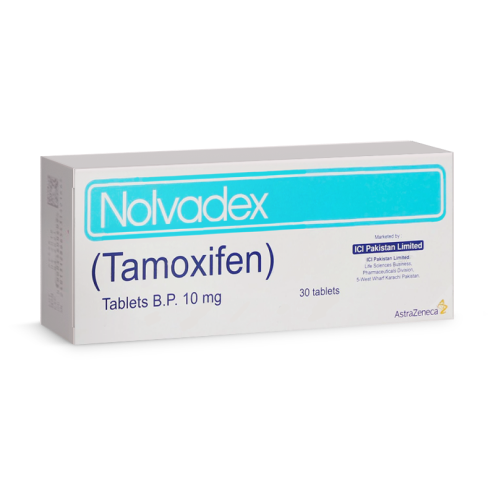
Nolvadex (Tamoxifen) in the United States: The Comprehensive 2026 Patient Guide
Summary: Nolvadex Quick Facts
- Active ingredient: Tamoxifen citrate
- Main use: Treatment and prevention of certain types of breast cancer (estrogen receptor-positive)
- Prescription status: Prescription required in the United States
- Regulatory approval: Approved by the Food and Drug Administration (FDA)
- Standard starting dose: 20 mg daily (may vary by indication)
- Common side effects: Hot flashes, vaginal discharge, menstrual irregularities
- Contraindications: History of blood clots, pregnancy, known allergy to Tamoxifen
- Typical cost: $15–$120/month (varies by insurance and pharmacy; generics available)
- Legal note: Illegal to purchase without a valid US prescription; buying from unlicensed sources risks counterfeit products and legal consequences
Can I Obtain Nolvadex Without a Prescription in the US?
No, you cannot legally obtain Nolvadex without a prescription in the United States. Tamoxifen (Nolvadex) is regulated by the FDA as a prescription-only medicine, primarily due to its potential for serious side effects and the need for careful medical oversight. Attempting to buy Nolvadex without a prescription—whether online or in person—is illegal, can lead to customs seizures, and exposes you to the risk of counterfeit medications.
Bottom line: Always consult a licensed physician and obtain Nolvadex from a certified US pharmacy or via a legitimate telehealth service.
What Is Nolvadex and How Does It Work?
Nolvadex (brand name; active ingredient: tamoxifen citrate) is a selective estrogen receptor modulator (SERM) used primarily to treat hormone receptor-positive breast cancer in both women and men. Unlike chemotherapy drugs that destroy rapidly dividing cells, Nolvadex works by blocking estrogen receptors on breast cancer cells, thereby reducing the growth-stimulating effect of estrogen.
- Mechanism of Action
-
- Receptor targeting: Binds competitively to estrogen receptors on tumor and normal breast cells.
- Antagonist effect: In breast tissue, it acts as an estrogen antagonist, inhibiting cell proliferation.
- Partial agonist effect: In other tissues (e.g., bone, uterus), it may act like estrogen, which accounts for some side effects.
- Biochemical Process
- Tamoxifen is metabolized in the liver (primarily by CYP2D6 and CYP3A4 enzymes) into active metabolites, notably endoxifen. These metabolites maintain the anti-estrogen effect at the cellular level.
Key insight: Nolvadex does not reduce estrogen production; it blocks its action where it matters most in breast tissue. Its effectiveness depends on tumor estrogen receptor status and patient metabolism. Clinical studies show that adjuvant tamoxifen therapy reduces the risk of breast cancer recurrence by up to 40% in women with hormone receptor-positive disease. [See references]
Nolvadex Dosage: How to Take It Correctly
| Indication | Standard Starting Dose | Maximum Daily Dose | Duration |
|---|---|---|---|
| Breast cancer (adjuvant) | 20 mg once daily (may be split into 10 mg twice daily) | 40 mg | Typically 5 years (can vary 2–10 years) |
| Metastatic breast cancer | 20–40 mg daily | 40 mg | Until disease progression or as directed |
| Ductal carcinoma in situ (DCIS) prevention | 20 mg daily | 20 mg | 5 years |
How to take: Swallow the tablet whole with water, with or without food. Take at the same time each day to maintain consistent blood levels. Do not chew or split unless directed by your doctor, as some formulations may not be scored for splitting.
- Missed dose: Take as soon as remembered, unless it’s close to the next dose. Do not double doses.
- Overdose warning: Never exceed the maximum daily dose of 40 mg unless specifically instructed by an oncologist.
- Special populations: Dose adjustments may be needed for elderly, hepatic impairment, or poor CYP2D6 metabolizers. Always discuss with your oncologist.
Peak effect: Therapeutic effects are usually seen within several weeks, but cancer recurrence risk reduction is based on long-term use.
Should I Change My Diet or Lifestyle While Using Nolvadex?
A: Moderate alcohol use appears generally safe, but heavy drinking can increase liver strain. Avoid grapefruit juice—it can interfere with drug metabolism and increase side effects.
- Food: Tamoxifen absorption is not significantly affected by food or meal fat content. Take with or without food as tolerated.
- Alcohol: Low to moderate intake (up to 1 drink/day) does not appear to impact efficacy. Excessive alcohol may exacerbate liver toxicity. Always consult your doctor about personal risk factors.
- Supplements: Some herbal products (e.g., St. John’s Wort) can reduce effectiveness by increasing metabolism via CYP enzymes. Discuss all supplements with your oncologist.
- Physical activity: Maintaining regular exercise can help reduce some side effects, like bone loss and weight gain. No known interaction, but always tailor activity level to your health status.
| Product | Can It Be Combined? | Possible Consequences |
|---|---|---|
| Grapefruit juice | NO | Increased side effects or altered drug levels |
| Alcohol (light/moderate) | Usually yes | May increase liver strain if excessive |
| St. John’s Wort | NO | Reduced effectiveness of Nolvadex |
| Antacids | Yes | No significant interaction |
In short: Avoid grapefruit juice and certain herbal supplements. Moderate alcohol is typically safe, but check with your provider. Always review your full medication list (including over-the-counter and supplements) with your cancer care team.
Who Should NOT Take Nolvadex? Detailed Contraindications
- Known hypersensitivity to tamoxifen or any inactive ingredients
- Active or history of deep vein thrombosis (DVT) or pulmonary embolism
- Concurrent use with warfarin in patients with a history of DVT or PE
- Pregnancy or breastfeeding (category D – risk of fetal harm)
- History of stroke or blood clotting disorders
- Severe liver dysfunction (hepatic impairment)
- Inherited CYP2D6 poor metabolizer status (may reduce efficacy)
- Uncontrolled hyperlipidemia
- Endometrial cancer (risk of stimulation)
- Clotting risk: Tamoxifen increases risk of thromboembolic events. This is most concerning in those with a prior history or genetic clotting disorders.
- Liver: Tamoxifen is processed in the liver; impaired function can lead to accumulation and toxicity.
- Pregnancy: Tamoxifen is teratogenic and may cause birth defects.
What Side Effects Are Most Common With Nolvadex?
- Hot flashes
- Night sweats
- Vaginal discharge or dryness
- Menstrual irregularities
- Fatigue
- Leg cramps
- Nausea
- Mild rash or itching
- Weight gain or fluid retention
- Mood changes (depression, anxiety)
- Deep vein thrombosis (DVT), pulmonary embolism
- Endometrial cancer
- Severe liver toxicity
- Vision changes (cataracts, retinopathy)
- Severe allergic reactions (anaphylaxis)
- Stevens-Johnson syndrome
Mechanisms explained: Hot flashes and night sweats occur due to estrogen blockade, which disrupts the body’s temperature regulation. Blood clots happen because tamoxifen increases clotting factor production in the liver.
Reality: While most side effects are mild, some (like blood clots or uterine cancer) are potentially life-threatening. Regular monitoring is essential.
What to do if side effects occur: For mild symptoms, inform your doctor but continue therapy. For severe symptoms (sudden leg pain, shortness of breath, vision changes, vaginal bleeding), seek immediate medical attention.
Nolvadex vs. Alternatives: Comparison Table
| Drug | Class | Indication | Onset of Action | Notable Side Effects | Average Monthly Cost (US, 2026) | Prescription Needed? |
|---|---|---|---|---|---|---|
| Nolvadex (tamoxifen) | SERM | ER+ breast cancer prevention/treatment | Weeks (risk reduction: long-term) | Hot flashes, DVT risk, endometrial cancer | $15–$120 (generic) | Yes |
| Arimidex (anastrozole) | Aromatase inhibitor | Postmenopausal ER+ breast cancer | Weeks | Bone thinning, joint pain, hot flashes | $80–$250 | Yes |
| Letrozole (Femara) | Aromatase inhibitor | Postmenopausal ER+ breast cancer | Weeks | Arthralgia, bone loss, hot flashes | $60–$200 | Yes |
| Raloxifene (Evista) | SERM | Breast cancer prevention, osteoporosis | Weeks | Hot flashes, leg cramps, DVT risk | $40–$120 | Yes |
What it can do vs cannot do: Nolvadex is effective for both premenopausal and postmenopausal women with ER+ tumors, while aromatase inhibitors are only for postmenopausal women. Side effect profiles differ—discuss individual risks with your oncologist.
Key Characteristics of Nolvadex (Tamoxifen): Table
| Parameter | Value |
|---|---|
| Active ingredient | Tamoxifen citrate |
| Tablet strengths | 10 mg, 20 mg |
| Half-life (T1/2) | 5–7 days (active metabolite up to 14 days) |
| Metabolism | Liver (CYP2D6, CYP3A4) |
| Excretion | Bile and feces (>65%), urine (<15%) |
| Peak plasma level | 4–7 hours after dose |
| FDA approval | Yes; first approved 1977, updated labeling 2024 |
| Prescription required | Yes (Rx only) |
Clinical tip: Due to the long half-life, missing a single dose is less likely to impact protection, but consistent daily use remains essential for full therapeutic effect.
How to Legally Get Nolvadex in the US: Step-by-Step Instructions
- Schedule a medical evaluation: Consult a licensed physician—your primary care provider or an oncologist (in person or via a HIPAA-compliant telemedicine service).
- Comprehensive assessment: The doctor will assess cancer risk, current diagnosis, and potential contraindications. This may include blood tests and genetic screening (e.g., CYP2D6 status).
- Receive a prescription: If appropriate, you will be provided with a signed prescription (paper or electronic) according to US law.
- Fill the prescription: Submit your prescription to a certified US pharmacy—local or mail-order. Most major cities (e.g., New York, Houston, Los Angeles, Chicago) offer both in-person and online options.
- Insurance and payment: Most insurance plans (including Medicare and Medicaid) cover generic tamoxifen at a low copay; confirm coverage before purchase.
- Regular monitoring: Regular follow-up visits will include blood tests and clinical monitoring for side effects. Never adjust or stop therapy without consulting your doctor.
Can I Trust Online Pharmacies in the United States?
Only use pharmacies certified by the National Association of Boards of Pharmacy (NABP). Look for the “VIPPS” (Verified Internet Pharmacy Practice Sites) seal. Licensed US pharmacies will always require a valid doctor’s prescription for Nolvadex.
- Check for a physical address and US-based phone number
- Beware of sites offering Nolvadex without a prescription or at a “too good to be true” price
- Counterfeit risks: Reports of fake Nolvadex entering the US market through unregulated online sources are increasing. These products may contain incorrect doses or harmful ingredients.
Legal risks: Importing prescription medications without a prescription can result in customs seizure and legal consequences per FDA and US Customs regulations.
How to Spot Counterfeit or Illegal Nolvadex
- Original packaging includes manufacturer’s logo (AstraZeneca or authorized generic), batch number, and expiration date
- Blister pack tablets are white, round, scored with clear, uniform embossing
- US packaging should include a National Drug Code (NDC) and a tamper-evident seal
- Genuine US pharmacies may provide a QR code for verification
- Warning signs for fakes: Misspelled words, blurry printing, missing lot numbers, or drastically discounted prices ($5/month or less)
What Should I Do If I Experience Side Effects or Overdose?
- For mild side effects: Record symptoms and discuss them at your next visit. Your doctor may recommend supportive care or dose adjustments.
- For severe or sudden symptoms: Stop taking Nolvadex and seek immediate care if you experience sudden leg swelling, chest pain, difficulty breathing, or abnormal vaginal bleeding.
- If overdose is suspected:
- Stop taking Nolvadex immediately
- Call 911 (emergency services in the US) or go to the nearest emergency department
- Inform the medical team of the dose and time of ingestion
- Bring the medication bottle and any remaining tablets to the hospital
- If uncertain: Contact the Poison Help Line (1-800-222-1222) for expert guidance.
Nolvadex Use in Special Populations and Practical Considerations
Elderly patients: No special dosage adjustments are usually required, but increased risk of blood clots and adverse effects must be weighed.
Hepatic impairment: Use with caution; tamoxifen and its metabolites may accumulate, increasing risk of toxicity.
Fertility and pregnancy: Tamoxifen is contraindicated in pregnancy (category D). Women of childbearing potential should use effective contraception during treatment and for at least two months after stopping.
Ability to drive and operate machinery: No significant direct impact, but dizziness or visual changes may occur. If affected, avoid driving.
Drug testing: Tamoxifen is not a controlled substance and does not trigger standard drug abuse panels.
Original vs. Generic Nolvadex: Is There a Real Difference?
- Excipients (inactive substances): May differ between brands; rare allergic reactions possible. Review the package insert if you have known allergies.
- Cost savings: Most patients choose generics for lower out-of-pocket costs—without sacrificing efficacy or safety.
- How to tell: Ask your pharmacist for the FDA Orange Book code or the drug’s NDC code to confirm equivalence.
Conclusion: For most patients, generics are equally effective. Always ensure your pharmacy is licensed and that the medication is FDA-approved for US use.
Emotional Support and Therapy: What Else Matters?
Facing a breast cancer diagnosis or risk is emotionally challenging. Studies show that seeking support—whether from a partner, family, counselor, or support group—can improve treatment adherence and quality of life. Don’t hesitate to ask your healthcare team for a referral to counseling or to discuss concerns about side effects or body image. You’re not alone, and these issues are common and manageable.
Frequently Asked Questions (FAQ)
- Is Nolvadex available without a prescription in the United States?
- No. You need a valid prescription from a licensed US healthcare provider to obtain Nolvadex.
- How long do I need to take Nolvadex?
- Most regimens last 5 years, but some high-risk patients may be advised to continue for up to 10 years. Your oncologist will determine the optimal duration.
- Can men take Nolvadex?
- Yes. Tamoxifen is used in men for certain types of breast cancer and to treat gynecomastia; always under specialist care.
- How much does Nolvadex cost in the US?
- Generic tamoxifen can cost as little as $15/month with insurance or coupons; brand-name Nolvadex is more expensive. Prices vary by pharmacy and region.
- Are there natural alternatives to Nolvadex?
- No herbal or natural supplement has been proven effective as a substitute for Nolvadex in clinical trials.
- What happens if I miss a dose?
- Take it as soon as you remember unless it’s close to your next dose. Never double up. Missing a single dose is not usually dangerous, but regular adherence is best.
- Can I switch from Nolvadex to another therapy?
- Yes, but only under medical supervision. Switching to an aromatase inhibitor may be appropriate post-menopause or if you experience intolerable side effects.
- Is Nolvadex safe during pregnancy?
- No. Tamoxifen is teratogenic and should not be used during pregnancy or if planning to conceive.
- Does Nolvadex affect bone health?
- Unlike aromatase inhibitors, Nolvadex may help protect bone density in postmenopausal women.
- How do I find a breast cancer specialist in my area?
- Consult the American Cancer Society or the National Cancer Institute’s provider directory for referrals to board-certified oncologists in your city.
References
- US Food and Drug Administration. Tamoxifen citrate. Drug Approval Package. Accessed June 2026. FDA Label
- Davies C, Pan H, Godwin J, et al. Long-term effects of continuing adjuvant tamoxifen to 10 years versus stopping at 5 years after diagnosis of estrogen receptor-positive breast cancer: ATLAS, a randomised trial. Lancet. 2013;381(9869):805-816. PubMed
- National Comprehensive Cancer Network (NCCN) Clinical Practice Guidelines in Oncology: Breast Cancer. Version 1.2026. NCCN Guidelines
- National Library of Medicine. Tamoxifen. MedlinePlus Drug Information. Accessed June 2026. MedlinePlus
- National Association of Boards of Pharmacy (NABP). Safe Pharmacy Online. Accessed June 2026. NABP Safe Pharmacy
- American Cancer Society. Hormone Therapy for Breast Cancer. Accessed June 2026. Cancer.org
- FDA Orange Book. Approved Drug Products with Therapeutic Equivalence Evaluations. Accessed June 2026. FDA Orange Book