
- Home/
- Buy Glucophage in Online Pharmacy – Available in United States
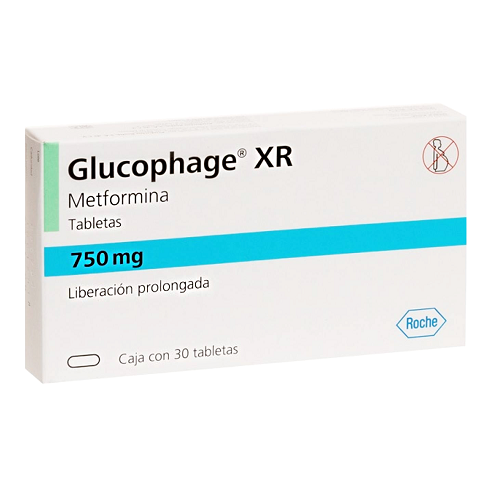
Can Glucophage Be Obtained Without a Prescription in the United States?
Key Takeaways: Glucophage in the United States
- Active ingredient: Metformin hydrochloride
- Prescription requirement: Mandatory in the United States (cannot be obtained legally without one)
- Main use: First-line therapy for type 2 diabetes; sometimes used off-label for polycystic ovary syndrome (PCOS)
- Common side effects: Gastrointestinal symptoms (nausea, diarrhea); rare risk of lactic acidosis
- Contraindications: Severe kidney disease, significant liver impairment, certain acute conditions (see below)
- Regulatory status: Approved by the FDA; both brand-name and generic forms are widely available
- Cost: Generic metformin is inexpensive; branded Glucophage may cost more (see comparison below)
How Does Glucophage (Metformin) Work in the Body?
- Scientific Explanation
-
Glucophage’s active ingredient, metformin, is a biguanide antihyperglycemic agent. It works primarily by inhibiting hepatic gluconeogenesis (the liver’s production of new glucose) through the activation of AMP-activated protein kinase (AMPK) and decreasing mitochondrial respiratory-chain complex I activity. This reduces glucose output from the liver.
Metformin also increases insulin sensitivity in peripheral tissues—mainly muscle—by enhancing glucose uptake and utilization. It does not increase insulin secretion from the pancreas, which means it generally does not cause hypoglycemia on its own. - Metaphor
- Think of your liver like a factory that sometimes overproduces sugar. Metformin acts like a supervisor who turns down the factory’s production line so your body doesn’t flood your bloodstream with extra sugar. At the same time, it makes your muscle cells more responsive to insulin, so they can use sugar more efficiently.
- Does it require specific conditions to work?
- Metformin works independently of food, but its effect is most pronounced in patients with some degree of endogenous insulin production (i.e., not effective for type 1 diabetes). It requires ongoing use to maintain benefits—there is no immediate effect after a single dose.
Quick Insight: Myth: Metformin instantly lowers blood sugar after one pill. Reality: Its effects build gradually over days to weeks, and maximum benefit is usually reached after several weeks of consistent use.
How Should Glucophage Be Taken? Dosage and Administration
| Formulation | Typical Starting Dose | Max Daily Dose | How to Take |
|---|---|---|---|
| Glucophage (immediate-release) | 500 mg once or twice daily | 2550 mg (in divided doses) | With meals to lessen stomach upset |
| Glucophage XR (extended-release) | 500 mg once daily (with evening meal) | 2000 mg (can be increased up to 2500 mg if needed, but clinical benefit above 2000 mg is limited) | Swallowed whole, not crushed or chewed |
- Starting dose: Usually 500 mg once daily, increased by 500 mg every 1-2 weeks as tolerated.
- Maximum dose: Do not exceed 2550 mg per day (immediate-release) or 2000-2500 mg per day (extended-release).
- Splitting tablets: Extended-release tablets must not be split, crushed, or chewed.
- Duration to peak effect: Full effect may take 1-2 weeks after dose adjustments.
- Missed dose: Take as soon as remembered, but skip if near next scheduled dose. Do not double-up.
Adjustments: Elderly patients and those with mild kidney impairment may require lower starting and maximum doses.
Expert note: Only your physician can determine the right dose for you—never change your dose without medical supervision.
Food, Alcohol, and Lifestyle: What Should I Know?
Question & Answer
- Should I take Glucophage with food?
- Yes. Taking Glucophage with meals reduces the risk of stomach upset, nausea, or diarrhea. Extended-release tablets should be taken with the evening meal.
- What about high-fat meals?
- High-fat meals may increase the risk of gastrointestinal side effects but do not significantly delay the drug’s absorption or efficacy.
- Is alcohol allowed with Glucophage?
- Alcohol is strongly discouraged. Excessive alcohol with Glucophage can increase the risk of lactic acidosis—a rare but life-threatening complication. The FDA and American Diabetes Association recommend limiting alcohol to no more than one drink per day for women and two for men—or avoiding entirely if you have kidney or liver disease.
- Can I drink grapefruit juice?
- There is no clinically significant interaction between grapefruit juice and metformin.
- Does Glucophage require dietary changes?
- While not required, a balanced diet low in simple sugars and regular physical activity will enhance Glucophage’s benefits and your overall health.
Myth vs Reality: “Metformin allows you to eat whatever you want.” Reality: Diet and exercise remain foundational for diabetes control, even on medication.
Who Should Not Take Glucophage? Contraindications
Expert Commentary
- Absolute Contraindications: Never Use If…
-
- Severe kidney impairment (eGFR < 30 mL/min/1.73 m2)
- Acute or chronic metabolic acidosis, including diabetic ketoacidosis
- Known hypersensitivity to metformin or any component of Glucophage
- Relative Contraindications: Use With Extreme Caution or Under Specialist Supervision
-
- Moderate renal impairment (eGFR 30–45 mL/min/1.73 m2) — dose reduction required
- Hepatic impairment or active liver disease
- History of alcohol abuse
- Heart failure or recent myocardial infarction
- Dehydration, severe infection, or shock (risk of acute renal failure)
- Use of contrast agents for imaging — metformin should be temporarily discontinued before and after certain imaging procedures
Why? The most serious risk is lactic acidosis, a buildup of lactic acid that can occur if your kidneys or liver are not working properly—or if you are very dehydrated or have acute illnesses.
What Side Effects Are Most Common with Glucophage?
Table + Commentary
| Side Effect | Frequency | Notes / Explanation |
|---|---|---|
| Diarrhea | Very common (>1/10) | Often improves over time or with dose reduction |
| Nausea, vomiting | Very common | Take with food to minimize |
| Abdominal discomfort, cramps | Common | May decrease with continued use |
| Metallic taste | Common | Not dangerous, usually fades |
| Vitamin B12 deficiency | Uncommon (may develop with long-term use) | Periodic monitoring recommended |
| Lactic acidosis | Very rare (<1/10,000), but life-threatening | Symptoms: rapid breathing, muscle pain, confusion—requires emergency care |
| Hypoglycemia (low blood sugar) | Rare (unless combined with other diabetes medications) | Unlikely as monotherapy |
What should you do if you experience side effects? For mild stomach symptoms, try taking the medication with food or ask your doctor about a slower dose increase. If you develop unusual tiredness, rapid breathing, or confusion, seek emergency medical attention—these may be signs of lactic acidosis.
How Does Glucophage Compare to Alternatives?
Comparison
| Medication | Main Ingredient | Onset of Effect | Risk of Hypoglycemia | Cost (USD, typical/month, generic) | Special Advantages |
|---|---|---|---|---|---|
| Glucophage | Metformin | Gradual, max effect in 1–2 weeks | Very low | $5–$15 | Weight-neutral or modest loss; proven cardiovascular safety |
| Glipizide | Sulfonylurea | Within hours | Moderate (esp. elderly) | $10–$20 | Quick drop in blood sugar; may be preferred if immediate effect is crucial |
| Jardiance | Empagliflozin (SGLT2 inhibitor) | Within days | Low | $500+ | Cardiovascular and renal protection; weight loss |
| Ozempic | Semaglutide (GLP-1 RA) | Weeks | Very low | $800+ | Weight loss; weekly injection; cardiac benefit |
Bottom line: Glucophage remains the first-line therapy for most adults with type 2 diabetes in the United States due to its safety, efficacy, and cost. Alternatives may be added or substituted based on individual risk factors, insurance coverage, and side effect profiles.
Product Overview: Table of Glucophage Properties
| Active Ingredient | Metformin hydrochloride |
| Drug Category | Biguanide antihyperglycemic |
| Indication | Type 2 diabetes; off-label for PCOS |
| Administration | Oral (tablet, extended-release tablet) |
| Prescription Status (US) | Prescription only (Rx required) |
| Availability | Most retail and mail-order pharmacies nationwide |
| FDA Approval | Yes (since 1995, expanded indications since 2000s) |
| Insurance Coverage | Covered by Medicare, Medicaid, and most private insurers (generic) |
How to Obtain Glucophage Legally in the United States: Step-by-Step Guide
-
Step 1: Consultation
Schedule an appointment with a primary care provider, endocrinologist, or a board-certified telemedicine service. In cities like New York, Los Angeles, and Chicago, walk-in clinics and diabetes centers are widely available. -
Step 2: Assessment
Your provider will review your history, check blood glucose and kidney function, and determine if Glucophage is appropriate. They may use clinical guidelines from the American Diabetes Association. -
Step 3: Prescription Issuance
If indicated, your provider will send an electronic prescription (e-prescription) directly to your chosen pharmacy, or provide a printed version for you. -
Step 4: Pharmacy Fulfillment
Pick up your medication at a local pharmacy, or order from a licensed mail-order or online pharmacy. Only use pharmacies registered with the National Association of Boards of Pharmacy (NABP). Look for the “VIPPS” seal or “Digital Pharmacy Accreditation.” -
Step 5: Ongoing Monitoring
Regular follow-up is essential. Your provider will monitor your blood sugar, kidney and liver function, and adjust your dose as needed.
Note: Never use online services that do not require a prescription—these are likely to be unsafe or illegal in the United States.
How Can I Spot a Counterfeit Glucophage Product?
- Packaging: Genuine Glucophage comes in sealed blister packs or bottles with the manufacturer’s logo (e.g., Bristol-Myers Squibb or generics labeled with the specific manufacturer’s name), lot number, and expiration date.
- Tablet Appearance: Standard 500 mg tablets are white, round or oval, with embossing (e.g., “BMS 500” for branded or a generic code). Extended-release tablets often say “XR” or similar.
- Security Features: Some manufacturers use QR codes or holograms. U.S. pharmacies may attach a separate label with prescription details.
- Suspiciously Low Price: If the price is much lower than national averages, or if the pharmacy does not require a prescription, the product may be counterfeit or imported illegally.
- Generics vs. Brand: Legitimate generics are FDA-approved and manufactured under strict standards. They may look different (e.g., different shape or color), but the packaging will include the manufacturer’s name and FDA approval.
What to do if you suspect a counterfeit: Do not take the medication. Contact your pharmacy and the FDA’s MedWatch program (FDA MedWatch) to report concerns.
Compatibility: Can Glucophage Be Taken with Other Medications?
| Product Type | Can It Be Combined? | Consequences |
|---|---|---|
| Aspirin | Yes | No significant interaction |
| Insulin | Yes (when prescribed) | Monitor for low blood sugar |
| Contrast dye (for imaging) | No (temporarily) | Hold Glucophage before and after procedure to prevent kidney injury |
| Alcohol | No | Increases risk of lactic acidosis |
Discuss all medications, supplements, and herbal products with your provider to avoid dangerous interactions.
What Should I Do in Case of Overdose?
- Stop taking Glucophage immediately.
- Call 911 or your local emergency number in the United States.
- Inform emergency personnel about the exact dose and time of ingestion.
- Watch for symptoms such as: rapid breathing, severe weakness, abdominal pain, confusion, or unusual sleepiness. These may indicate lactic acidosis.
There is no specific antidote for metformin overdose. Hospitalization and supportive care, including possible dialysis, may be required.
Glucophage in Special Populations: Elderly, Pregnancy, Chronic Conditions
- Elderly: Dose adjustments are often needed due to declining kidney function. Starting doses should be conservative, and kidney monitoring is essential.
- Pregnancy: Metformin is sometimes continued in pregnancy for women with type 2 diabetes or PCOS, but insulin is generally preferred if glucose targets are not achieved. Discuss with your obstetrician or maternal-fetal medicine specialist.
- Liver or Kidney Disease: Severe impairment is a contraindication. Mild/moderate impairment requires specialist oversight.
- Children: Glucophage is FDA-approved for children 10 years and older with type 2 diabetes.
- Fertility: In women with PCOS, metformin may improve ovulation rates. No evidence of harm to fertility in men.
- Driving and Machinery: Glucophage alone does not cause hypoglycemia and is not expected to impair driving, but caution is advised if taken with other diabetes medications.
Original vs. Generic Glucophage: Is There a Difference?
Expert Commentary
The original Glucophage brand was developed by Bristol-Myers Squibb, but generic metformin has been FDA-approved since the patent expired. All generics must meet strict FDA standards for bioequivalence and manufacturing quality.
- Active ingredient: Identical in generics and brand-name products.
- Excipients: Inactive ingredients (binders, coloring agents) may differ. Rare allergic reactions to excipients have been reported—check the manufacturer’s label if you have known allergies.
- Effectiveness: No clinical studies show meaningful differences in blood sugar control between generic and brand-name metformin.
- Price: Generic metformin is significantly less expensive and widely covered by insurance.
Tip: You can safely use a generic unless you have a specific allergy or sensitivity to an inactive ingredient. Discuss with your pharmacist if you have concerns.
What Can Glucophage Do—and What Can’t It?
In short: Glucophage does lower blood sugar levels and reduce A1C in people with type 2 diabetes. It may also reduce the risk of heart disease and help with modest weight loss for some. However, it cannot cure diabetes, and its effect depends on consistent use and healthy lifestyle choices. Most people require ongoing monitoring and, over time, may need combination therapy.
What it cannot do: Metformin does not address the underlying causes of type 2 diabetes, such as insulin resistance resulting from genetics, diet, or inactivity. It will not prevent diabetes-related complications if blood sugar is not well-controlled.
Empathy: Type 2 diabetes is extremely common and manageable—millions of Americans use metformin every day. If you feel overwhelmed, know that support is available through your healthcare team. Never hesitate to ask about lifestyle changes, counseling, or community resources.
Frequently Asked Questions (FAQ)
- Do I need a prescription for Glucophage in the United States?
- Yes. It is illegal to obtain Glucophage without a valid prescription from a licensed U.S. healthcare professional.
- Can I buy Glucophage online?
- Only from licensed U.S. pharmacies that require a prescription. Avoid sites that offer Glucophage without a prescription, as they may be unsafe or illegal.
- Is Glucophage safe for long-term use?
- For most, yes. Long-term use is standard for diabetes management, though periodic monitoring of kidney function and vitamin B12 levels is recommended.
- What should I do if I miss a dose?
- Take the missed dose as soon as you remember, unless it is almost time for your next dose. Never double up.
- Can Glucophage cause weight loss?
- Some people lose modest weight on Glucophage, especially at the beginning, but it is not a primary weight loss medication.
- Is generic metformin as effective as branded Glucophage?
- Yes. Generic metformin is FDA-approved and considered equivalent in effectiveness and safety.
- Do I need to stop Glucophage before surgery or imaging?
- In many cases, yes—especially before procedures involving contrast dye. Always follow your doctor’s pre-procedure instructions.
- How much does Glucophage cost?
- Generic metformin can cost as little as $4–$15/month at major U.S. pharmacies with insurance or discount programs; brand-name Glucophage is higher.
- What is the risk of lactic acidosis?
- Very rare, but serious. Risk is higher in those with kidney or liver impairment or heavy alcohol use. Seek emergency care for symptoms like severe weakness or rapid breathing.
References
- U.S. Food and Drug Administration. “Metformin Hydrochloride Tablets [Prescribing Information]”, Revised 2024. FDA Drug Label
- American Diabetes Association. “Standards of Care in Diabetes—2024.” ADA Standards
- Inzucchi SE, et al. “Management of Hyperglycemia in Type 2 Diabetes, 2024.” Diabetes Care. 2024;47(S1):S1-S32. Diabetes Care
- U.S. National Library of Medicine. “Metformin”. MedlinePlus. Accessed June 2024. MedlinePlus
- Parker AS, et al. “Long-term Outcomes and Risks of Metformin Therapy: A 2023 Review.” JAMA. 2023;329(16):1450–1461. JAMA
- U.S. Centers for Medicare & Medicaid Services. “Drug Coverage under Medicare Part D.” CMS
- National Association of Boards of Pharmacy (NABP). “Digital Pharmacy Accreditation.” NABP