
- Home/
- Buy Antabuse Online in the United States Safely and Conveniently
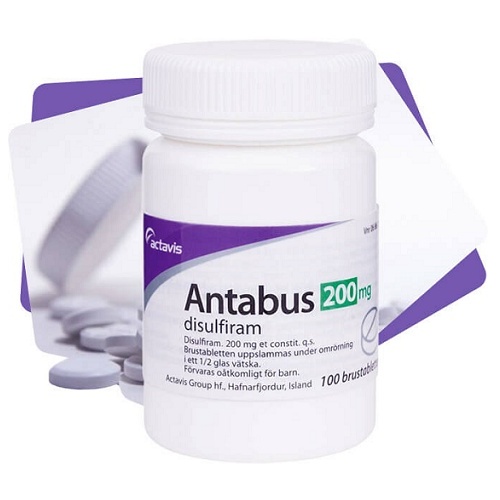
| Medication Name | Antabuse |
|---|---|
| Main Substance | Disulfiram |
| Intended Use | Treatment of Alcohol Use Disorder (AUD) |
| Strengths Available | 250 mg, 500 mg tablets |
| How Fast Does It Begin Working? | Within 30 minutes to 2 hours after intake |
| Active Duration | Up to 1-2 weeks after last dose |
| Typical Dosing Schedule | Once daily oral administration |
| Prescription Needed? | Yes, in the United States |
| Price Estimate in the U.S. | Roughly $35–$80 for a month’s supply (varies by pharmacy and insurance) |
Antabuse for Alcohol Dependence: Guidance and Availability in the United States
Antabuse (Disulfiram) is a prescription medication used in the United States to support individuals seeking to stop drinking alcohol. By interfering with alcohol metabolism, it adds a physical deterrent to alcohol consumption, making relapse less likely for many. The medication is approved for use in the U.S. and is available through pharmacies nationwide under a doctor’s supervision.
Alcohol Dependence: You Are Not Alone, and There Is a Path Forward
Alcohol use disorder (AUD) is a medical condition impacting millions of Americans every year. According to the National Institute on Alcohol Abuse and Alcoholism (NIAAA), 2022, approximately 29.5 million people aged 12 and older in the United States had AUD in the preceding year. These numbers underline that problematic drinking is not a personal failure, but a widespread health concern facing people from every background and age group. Importantly, evidence-based treatments, including medications like Antabuse, offer real hope for recovery. Recognizing the need for help is a powerful first step—one that many others have already taken.
How Antabuse Works to Support Sobriety
Disulfiram, the active compound in Antabuse, operates by disrupting how your body processes alcohol. Normally, when you drink, your liver breaks down alcohol into acetaldehyde and then quickly into harmless substances. Antabuse blocks the enzyme (aldehyde dehydrogenase) responsible for that second step. As a result, acetaldehyde builds up rapidly if alcohol is consumed. This buildup leads to uncomfortable—and sometimes severe—reactions: flushing, nausea, pounding heartbeat, low blood pressure, and a sense of anxiety. These effects start within minutes to a couple hours after drinking alcohol and can last for several hours.
- Physiological mechanism: Antabuse does not reduce cravings or treat withdrawal symptoms—it creates a strong, unpleasant reaction if you consume even small amounts of alcohol.
- Practical outcome: Knowing these effects, most people are deterred from drinking. This mechanism supports the commitment to abstinence by making relapses physically unpleasant, reinforcing behavioral change.
It is essential to understand that Antabuse does not “cure” alcohol dependence—it is a tool best used as part of a broader treatment plan, ideally including therapy, support groups, or counseling.
Is Antabuse Right for You? Matching Life Situations to Medication Choice
| Your Situation | Is Antabuse Appropriate? | Reason/Alternative |
|---|---|---|
| You are highly motivated to remain abstinent and want an extra layer of protection against slips. | Yes | Antabuse adds a biological deterrent, reinforcing your commitment. |
| You struggle with strong cravings or have difficulty with withdrawal symptoms. | Possibly | Antabuse does not reduce cravings; naltrexone or acamprosate might be more suitable if cravings are your main challenge. |
| You have significant heart, liver, or psychiatric issues, or are pregnant/planning pregnancy. | No | Antabuse can pose serious risks in these circumstances; non-pharmacological interventions or alternative medications may be safer. |
| You need flexibility and may not be able to commit to daily dosing or have irregular routines. | Not ideal | Injectable or long-acting alternatives (like naltrexone injection) could offer better adherence. |
Personal medical history and other medications must be reviewed with a healthcare provider, as Antabuse is not suitable for everyone. This honest assessment helps avoid frustration and ensures your treatment is not only effective but safe.
Using Antabuse: Practical Guidance for Everyday Life
- When to start: Antabuse should only be started once alcohol is fully cleared from your system—typically at least 12 hours after your last drink. Your doctor will recommend the safest timing.
- How to take it: The usual approach is one tablet daily, swallowed whole with water, at the same time each day. Food does not significantly alter its absorption, so it can be taken with or without meals.
- What if you miss a dose? Take the missed tablet as soon as you remember, unless it’s nearly time for the next dose. Do not double the dose to catch up.
- What if you accidentally drink alcohol? Seek medical advice promptly, especially if you develop flushing, chest pain, difficulty breathing, or confusion.
- How to manage non-standard situations:
- If you decide to stop Antabuse, consult your doctor. The deterrent effect can persist for up to two weeks after your last dose.
- Some everyday products (mouthwash, cough syrups, sauces, cooking extracts, certain cosmetics) contain alcohol. Read labels and avoid these during treatment to prevent unwanted reactions.
- If you feel that Antabuse is not making a difference or you experience side effects, do not stop on your own—discuss with your healthcare provider to adjust your plan safely.
doctor’s advice:
“I’ve seen patients accidentally trigger reactions by using alcohol-containing aftershaves or hand sanitizers. Double-check product labels and ask your pharmacist if you’re unsure—prevention is key.”
Safety Considerations: Who Should Not Take Antabuse?
Antabuse is not suitable for everyone. It is contraindicated in the following situations, each for specific safety reasons:
- Severe heart disease: Because alcohol-antabuse reactions can cause dangerous drops in blood pressure and abnormal heart rhythms.
- Advanced liver disease: Disulfiram is processed by the liver and can worsen preexisting liver issues.
- Mental health instability: People with active psychosis or a history of severe psychiatric conditions should avoid Antabuse, as it may exacerbate symptoms.
- Pregnancy and breastfeeding: Due to limited safety data, Antabuse should generally not be used during pregnancy or while nursing.
- Hypersensitivity: Anyone allergic to disulfiram or similar compounds (like certain pesticides) should not take Antabuse.
Every contraindication is a reason to seek medical guidance before starting treatment. Full evaluation by a healthcare provider is essential to avoid preventable harm.
What Side Effects Could Occur? Frequency and What to Do
- Common, mild side effects: Drowsiness, metallic or garlic-like aftertaste, headache, skin rash. These often improve over the first weeks and do not require stopping the medication unless they persist or worsen.
- Less common, may require medical input: Eye pain, mood changes, numbness or tingling in hands/feet, yellowing of skin or eyes (possible liver issue). If these occur, contact your doctor for evaluation, as dosage adjustment or discontinuation may be recommended.
- Rare but serious: Severe allergic reaction (hives, swelling, difficulty breathing), confusion, severe weakness, chest pain. If you experience these symptoms—especially after consuming alcohol while on Antabuse—call emergency services immediately.
In the United States, urgent or life-threatening reactions require immediate medical attention. The Poison Help line operates 24/7 at 1-800-222-1222, and for emergencies, dial 911.
Medication Interactions: What Not to Combine With Antabuse
Some medicines and substances can create complications or reduce the safety of Antabuse. Key interactions include:
- Metronidazole (antibiotic): Combining with Antabuse can cause confusion and psychotic reactions. These should never be used together.
- Warfarin: Disulfiram may increase the effects of warfarin, raising bleeding risk. Close monitoring and dose adjustment are essential.
- Phenytoin and certain other anticonvulsants: Blood levels may increase, leading to side effects.
- Alcohol-containing products: Even topical products (hand sanitizers, perfumes) can trigger reactions.
Always inform your healthcare provider and pharmacist about all medications, supplements, and over-the-counter products you are taking before starting Antabuse. If you are unsure if something is safe to use, ask—in advance.
Alternatives to Antabuse: How Do Options Compare?
| Medication | Mechanism | Best for | Limitations |
|---|---|---|---|
| Antabuse (Disulfiram) | Blocks alcohol metabolism, causes deterrent reaction if alcohol is consumed | Highly motivated individuals seeking a physical “barrier” to drinking | Does not reduce cravings; risk of severe reaction with alcohol intake |
| Naltrexone | Blocks reward effects of alcohol in the brain | People with strong cravings, able to maintain regular dosing | Ineffective as a deterrent; not suitable for certain liver conditions |
| Acamprosate | Helps reduce brain imbalance after stopping drinking | Individuals with cravings, those who have already detoxified | Requires dosing three times daily; not suitable for severe kidney disease |
| Psychosocial therapies | Counseling, support groups, behavioral therapy | All individuals with alcohol dependence | May not be sufficient alone for moderate/severe AUD |
No single approach fits every person. Antabuse is most effective for those who want a strong incentive not to drink and are aware of the consequences. If cravings are your main obstacle, or you have trouble remembering daily doses, alternatives may offer better support. Combination therapy, under medical supervision, is also common and can be tailored to your needs.
Buying Antabuse in the United States: Cost, Access, and What to Expect
Because Antabuse is a prescription-only medicine in the U.S., access begins with a consultation—either in person or via telemedicine—to assess suitability and safety. Once prescribed, the medication is available at chain and independent pharmacies and can often be ordered for home delivery. Some online telehealth platforms may facilitate this process, though legitimate providers still require a prescription. Selling prescription medications without a valid prescription is not permitted under U.S. law, yet some online sources may offer it without the required safeguards; this carries risks of unsafe or counterfeit products.
| Expense Item | Estimated Cost (USD) | Details/Notes |
|---|---|---|
| Doctor consultation (in-person) | $100 – $250 | Varies by state, insurance may cover part/all |
| Telehealth visit | $50 – $150 | Online service; sometimes includes prescription |
| Prescription fee | $0 – $20 | May be included with consultation or billed separately |
| Antabuse (30 tablets, 250 mg) | $35 – $80 | Pharmacy price without insurance; discounts/coupons may apply |
| Medication delivery | $0 – $20 | Most pharmacies offer free or low-cost delivery |
| Total Outlay | $85 – $320 | Initial month, depending on options used |
Insurance coverage can lower these costs, sometimes dramatically. For ongoing treatment, only the medication price and possible follow-up visits need to be factored in after the initial assessment.
Is There Anything Left Unanswered? Addressing Common Final Concerns
- How long should I stay on Antabuse? — Duration is individualized. Some remain on Antabuse for months to years, while others use it for shorter periods to solidify new habits. Your doctor will help set a timeline based on your progress and support system.
- Can I stop abruptly? — You can, but the deterrent effect may linger for up to two weeks after your last pill. Alcohol should still be avoided during this window to prevent delayed reactions.
- How do I talk to family or work about being on Antabuse? — Disclosure is personal. Some find it helpful to share with trusted individuals for extra support, while others prefer privacy. There is no requirement to inform employers unless safety is impacted.
For clinical questions unique to your health, never hesitate to reach out to your prescribing healthcare provider. They are your best partner in making this therapy work for you.