
- Home/
- Buy Lasix in Online Pharmacy – Fast Delivery in United States
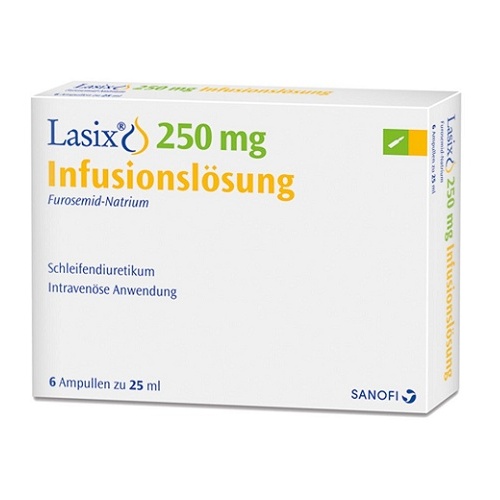
Can Lasix Be Obtained Without a Prescription in the United States?
Lasix (furosemide) is a prescription medication in the United States. It is not available for legal purchase without a valid prescription from a licensed healthcare provider.
Key Takeaways: What You Need to Know About Lasix in the United States
- Lasix is primarily prescribed for treating edema (fluid retention) caused by heart failure, kidney disease, or liver dysfunction.
- A prescription from a licensed healthcare provider is mandatory to obtain Lasix legally in the U.S.
- Lasix acts quickly, usually producing noticeable effects within an hour, but careful monitoring is required to prevent dehydration and electrolyte imbalances.
- Patients with chronic conditions or on multiple medications should inform their healthcare provider to avoid harmful drug interactions.
- If you experience severe dizziness, muscle cramps, or confusion while taking Lasix, seek prompt medical attention.
- Consult your doctor for individual assessment—Lasix addresses symptoms, not underlying causes of fluid retention.
How Does Lasix Work? Pharmacology and Mechanism of Action
Lasix (furosemide) is classified as a potent loop diuretic. Its primary action is inhibition of the sodium-potassium-chloride (Na+/K+/2Cl-) co-transporter in the thick ascending limb of the loop of Henle in the nephron (the kidney’s functional unit). This blockade leads to a marked increase in the excretion of sodium, chloride, and water by the kidneys, resulting in rapid diuresis (increased urine production).
By preventing the reabsorption of sodium and chloride, Lasix reduces the volume of fluid in the bloodstream and tissues, which helps decrease edema. It also causes secondary loss of potassium, calcium, and magnesium—electrolytes that are important for nerve and muscle function.
Clinically, this mechanism helps relieve swelling (edema) associated with congestive heart failure, liver cirrhosis, and certain kidney disorders, as well as lowering elevated blood pressure in some cases.
Metaphor: Think of your kidneys as a sponge wringing out excess water. Lasix turns up the pressure, squeezing out extra fluid—but it can also squeeze out vital salts, so monitoring is essential.
Lasix works independently of hormonal triggers, but its effect is amplified when fluid overload is present. Its onset and intensity depend on kidney function, blood volume, and concurrent medications.
When Quick Results Lead to False Security: Physician Insights on Lasix Use
In my clinical experience, patients often expect Lasix to be a blanket solution for swelling or fluid buildup. Many judge its success only by visible changes—like less swelling in the feet or a drop in body weight—without appreciating that symptom relief doesn’t always mean the underlying problem is addressed. Occasionally, patients become anxious if they don’t see immediate diuresis, not realizing that other factors, such as kidney function or dietary sodium intake, can blunt the drug’s effect. Conversely, some feel reassured by rapid fluid loss and may reduce their follow-up visits or monitoring, potentially overlooking serious side effects like electrolyte depletion. Few patients ask about long-term risks or how to recognize subtle toxicity. In short, the “quick fix” sensation can sometimes obscure the need for ongoing medical oversight.
How Should Lasix Be Taken? Dosage, Timing, and Duration
Lasix dosing is individualized based on the condition being treated, patient age, kidney function, and concurrent diseases. For adults with edema, the typical starting oral dose is 20 to 80 mg once daily. If diuresis is not adequate, the dose may be increased in 20- to 40-mg increments, generally not more frequently than every 6–8 hours. The maximum daily dose should not exceed 600 mg in adults, as higher doses greatly increase the risk of toxicity.
In elderly patients or those with impaired kidney or liver function, lower starting doses and slower titration are recommended. Children receive weight-based dosing under specialist supervision. Lasix tablets can be split if scored, but not all formulations are designed for splitting—check the product labeling or ask your pharmacist.
Peak diuretic effect usually occurs within 1–2 hours after oral administration and can last 6–8 hours. It’s best taken in the morning to avoid nighttime urination. The duration of therapy varies—from a single dose for acute relief to long-term use for chronic conditions, always under medical supervision.
Can Food, Alcohol, or Lifestyle Habits Affect Lasix?
Lasix can be taken with or without food, but taking it with food may slightly delay absorption and onset of action. High-fat meals can extend the time to peak effect by up to 60 minutes, but do not significantly reduce overall effectiveness.
- Alcohol: Combining Lasix with alcohol is discouraged. Both can lower blood pressure, leading to dizziness, fainting, or dangerous dehydration. Limit or avoid alcohol entirely while on Lasix.
- Grapefruit Juice: There is no evidence that grapefruit interacts with Lasix. However, always inform your provider of dietary supplements or juices you regularly consume.
- Sodium Intake: High salt diets reduce the drug’s effectiveness. Lowering dietary sodium enhances Lasix’s diuretic action, but must be balanced to avoid rapid electrolyte depletion.
Always maintain appropriate hydration but avoid excessive fluid intake unless instructed by your provider.
When Is Lasix Unsafe? Absolute and Relative Contraindications
Lasix is not suitable for everyone. Contraindications are classified as absolute (never use) or relative (use with extreme caution and close oversight):
- Absolute Contraindications
-
- Allergy to furosemide or sulfonamide-derived drugs (risk of severe allergic reaction).
- Severe hypokalemia (very low potassium) or hyponatremia (very low sodium).
- Anuria (complete lack of urine output, often from advanced kidney failure).
- Hepatic coma (advanced liver failure with brain symptoms).
- Relative Contraindications
-
- Gout or high uric acid (Lasix can trigger gout attacks).
- Severe diabetes (may worsen blood sugar control).
- Low blood pressure or volume depletion.
- Pregnancy and breastfeeding—Lasix is generally avoided unless benefits outweigh risks.
- Recent heart attack—Lasix may be used under close supervision only after stabilization.
Always review your full medication list with your doctor, as Lasix interacts with many drugs—including aminoglycoside antibiotics, lithium, and certain blood pressure medications.
What Side Effects Are Most Common with Lasix?
Lasix can cause side effects, some of which require immediate medical attention. They are classified by frequency:
- Very Common (>1 in 10): Increased urination, mild dehydration, low potassium (hypokalemia), low sodium (hyponatremia).
- Common (1 in 100 to 1 in 10): Low blood pressure (especially on standing), dizziness, headache, muscle cramps, increased blood sugar, increased uric acid (gout risk).
- Rare (1 in 1,000 to 1 in 10,000): Allergic reactions, ringing in the ears (tinnitus), hearing loss (high doses or rapid IV), pancreatitis.
- Very Rare (<1 in 10,000): Severe skin reactions, blood disorders (e.g., agranulocytosis), liver inflammation.
Mechanisms: Most side effects stem from excessive fluid and electrolyte loss. Sudden drops in blood pressure can cause fainting; low potassium may trigger abnormal heart rhythms. Allergic reactions present with rashes, swelling, or breathing difficulty.
If you experience severe weakness, confusion, chest pain, or a rapid/irregular heartbeat, seek emergency help immediately.
Mistakes That Can Compromise Lasix Therapy—and How to Avoid Them
- Taking Lasix late in the day: Leads to nighttime urination and sleep disruption. Always take in the morning unless otherwise instructed.
- Ignoring dietary salt: Continuing a high-sodium diet may blunt the effect. Work with your provider on sodium restriction.
- Self-adjusting the dose: Increasing or skipping doses based on daily symptoms can cause dangerous swings in fluid and electrolytes. Stick to the prescribed schedule.
- Stopping suddenly: Abrupt withdrawal may trigger rebound fluid retention. Never stop without medical guidance.
- Not monitoring weight or symptoms: Skipping daily weight checks may delay recognizing worsening fluid buildup. Track weight and alert your provider to rapid changes.
- Failing to report new medications: Many drugs interact with Lasix. Always update your provider about new prescriptions or over-the-counter products.
Lasix vs. Alternatives: Which Diuretic Is Best for You?
Lasix (furosemide) is one of several loop diuretics used for edema. Others include bumetanide and torsemide. Thiazide diuretics (such as hydrochlorothiazide) are alternatives for mild fluid retention or high blood pressure. Choice depends on the urgency, kidney function, and co-existing conditions.
- Bumetanide: More potent per milligram, shorter duration—preferred in severe renal impairment.
- Torsemide: Longer acting, lower risk of rebound fluid overload, but higher cost.
- Hydrochlorothiazide: Less potent, primarily for hypertension and mild edema.
Cost, duration, and side effect profile vary. See the comparison table below for details.
Technical Comparison Table: Lasix and Other Loop Diuretics
| Parameter | Lasix (Furosemide) |
Bumetanide | Torsemide |
|---|---|---|---|
| Available strengths | 20 mg, 40 mg, 80 mg tablets | 0.5 mg, 1 mg, 2 mg tablets | 5 mg, 10 mg, 20 mg tablets |
| Usual oral starting dose (adults) | 20–80 mg once daily | 0.5–1 mg once daily | 10–20 mg once daily |
| Onset of action | 30–60 min | 30–60 min | 30–60 min |
| Duration of effect | 6–8 hours | 4–6 hours | 12–16 hours |
| Typical cost per tablet (2026) | $0.30–$1.00 (generic) | $1.50–$3.00 | $2.00–$4.00 |
| Common side effects | Dehydration, low K+, low Na+ | Dehydration, low K+, low Na+ | Dehydration, low K+, low Na+ |
| Formulations available | Tablets, oral solution, injection | Tablets, injection | Tablets |
| Prescription requirement | Yes | Yes | Yes |
Compatibility Check: Can Lasix Be Combined with Other Medications?
| Type of Product | Can It Be Combined? | Consequences |
|---|---|---|
| Aspirin (low-dose) | Yes (with caution) | Rarely increases risk of kidney side effects |
| Potassium supplements | Yes (if prescribed) | May correct low potassium caused by Lasix |
| Lithium | NO | May dangerously increase lithium levels |
| Antihypertensive drugs | Yes (monitor BP) | Additive risk of low blood pressure |
| NSAIDs (e.g., ibuprofen) | With caution | May blunt diuretic effect; kidney risk |
| Nitrates | Yes | Monitor for low blood pressure |
| Alcohol | NO | Risk of severe hypotension, dehydration |
How Lasix Is Metabolized: Pharmacokinetics Explained Simply
After oral administration, Lasix is rapidly absorbed (bioavailability 50–70%). Peak blood concentrations are achieved within 1–2 hours. It is minimally metabolized by the liver and primarily eliminated unchanged by the kidneys via urine. The half-life is typically 1–2 hours in healthy adults, but may be prolonged in kidney or liver impairment. Lasix does not accumulate with normal kidney function but may do so in advanced disease, increasing toxicity risk. It does not significantly affect the ability to drive or operate machinery, but dizziness or weakness may occur if blood pressure drops sharply.
Lasix in Special Patient Groups: Key Considerations
- Elderly: More sensitive to dehydration and electrolyte shifts. Start at lower doses; monitor closely.
- Pregnancy: Generally avoided unless absolutely needed; may impair fetal growth due to reduced placental blood flow.
- Breastfeeding: Lasix passes into breast milk and may suppress lactation; discuss alternatives with your doctor.
- Chronic kidney disease: Dosage adjustments required. Effectiveness decreases as kidney function declines.
- Heart or liver failure: Monitoring for electrolyte and volume status is essential.
- Fertility: No evidence for harm, but severe electrolyte imbalances may indirectly affect reproductive health.
Original Lasix vs. Generics: Are They Equal—and What Are Excipients?
Lasix (the brand) and furosemide generics are clinically equivalent when manufactured to FDA standards. Generics contain the same active ingredient, strength, and intended effect. However, excipients (inactive ingredients such as binders, dyes, or fillers) may vary, which can rarely cause allergic reactions or intolerance in sensitive individuals.
Advantages of generics: Lower cost, wider availability. Disadvantage: Some patients may react to different excipients. If you experience new symptoms after switching products (rash, stomach upset), inform your provider.
How to spot a quality generic: Look for FDA-approved labeling and purchase only from licensed U.S. pharmacies. Avoid products with unclear labeling or unfamiliar brand names.
Questions Patients Often Ask Their Doctor About Lasix
- How will I know if Lasix is working for me?
- Most patients notice increased urination and a decrease in swelling within a few hours of the first dose. I recommend tracking daily weight and monitoring for improvement in your symptoms—such as easier breathing or less ankle swelling. Be aware, however, that symptom relief does not guarantee underlying disease control.
- Is long-term use of Lasix safe?
- Long-term therapy is often necessary for chronic conditions, but requires regular monitoring of kidney function, electrolytes, and blood pressure. With proper oversight, risks can be minimized.
- What should I do if I feel dizzy or weak after taking Lasix?
- Sit or lie down immediately to prevent falls. If symptoms persist or are severe, contact me so dosage adjustments or further evaluation can be done promptly.
- Can I continue my regular exercise routine while on Lasix?
- Yes, but stay hydrated and avoid strenuous activity during hot weather, as excessive fluid loss can increase the risk of dehydration or heat-related stress.
- How often will I need blood tests while taking Lasix?
- Initially, tests may be needed every few weeks to monitor electrolytes and kidney function. Once stable, the frequency may decrease to every 3–6 months, unless symptoms change.
- Can Lasix be taken with my other medications?
- Many drugs interact with Lasix, so I will review your entire medication list before prescribing it. Always inform me of new prescriptions, supplements, or over-the-counter products.
- What if my swelling returns despite taking Lasix as prescribed?
- This may signal worsening of the underlying condition or the need for dose adjustment. Do not increase your dose yourself—contact me for assessment.
Step-by-Step: How to Safely Obtain Lasix in the United States
- Schedule a medical appointment: Visit your primary care provider or specialist (e.g., cardiologist, nephrologist) in your city.
- Comprehensive evaluation: Your provider will review your medical history, current medications, symptoms, and may order blood/urine tests and imaging.
- Prescription decision: If Lasix is appropriate, your provider will issue an electronic or paper prescription.
- Pharmacy fulfillment: Take the prescription to a licensed U.S. retail pharmacy or use a verified mail-order pharmacy.
- Pharmacist counseling: The pharmacist will explain how to take Lasix, possible side effects, and answer any questions.
- Follow-up visits: Schedule regular check-ups for monitoring, especially if new symptoms arise or if you are on long-term therapy.
- Telemedicine options: Many U.S. states allow telehealth consultations for prescription renewals, especially for stable chronic cases.
How to Spot Safe Online Pharmacies for Lasix in the U.S.
To protect your health and legal standing:
- Use pharmacies accredited by the National Association of Boards of Pharmacy (NABP) (.pharmacy Verified Websites).
- Look for U.S.-based contact information and a valid pharmacist license.
- Never trust sites willing to sell Lasix without a prescription—this is both illegal and a red flag for counterfeit products.
- Check for the FDA’s BeSafeRx logo (FDA BeSafeRx).
- Warning signs of unsafe sellers: Unusually low prices, lack of clear business address, no pharmacist support, or international shipping to the U.S. without valid prescription verification.
Purchasing from unregulated sources risks receiving counterfeit, expired, or unsafe medication. Always verify before proceeding.
How to Identify Real vs. Counterfeit Lasix in the U.S.
Original Lasix (by Sanofi): Should be supplied in sealed blister packs or bottles, with the manufacturer’s logo, NDC number, and expiry date clearly printed. U.S. packaging may include a QR code or hologram for authenticity verification. The tablets are typically white, round, with the strength imprinted (e.g., “Lasix 40” or “F40”).
- Suspicious signs: Misspelled labels, faded print, inconsistent tablet color or shape, damaged packaging, or an unusually low price. Be especially cautious of foreign-language labeling unless dispensed by a U.S. pharmacy with appropriate FDA import clearance.
- Generics: Must display the manufacturer’s name (e.g., Teva, Mylan), lot number, and FDA-approved labeling. The tablet may differ in color or shape from the original, but the imprint code must be present and can be verified at FDA NDC Directory.
Myth vs. Reality: Myth: A cheaper product is always a bargain. Reality: Unusually low prices often signal counterfeiting or illegal importation. Always check packaging and source authenticity.
What to Do in Case of Lasix Overdose: A Step-by-Step Emergency Guide
- Stop taking Lasix immediately.
- Call 911 or your local emergency services and state that an overdose of a prescription diuretic (furosemide) has occurred.
- Be ready to provide: The amount taken, time of ingestion, and all other medications or substances involved.
- Do not attempt to induce vomiting or self-treat. Symptoms like confusion, rapid heartbeat, severe weakness, or low blood pressure require rapid professional intervention.
- Bring the medication bottle or packaging to the hospital for identification.
Psychological Support: Edema and Emotional Well-being
Living with chronic edema can be distressing and isolating, but you are not alone. Many people successfully manage fluid retention with appropriate therapy and support. If you experience anxiety or frustration related to your diagnosis or treatment, consider speaking with a counselor, support group, or your healthcare provider. Emotional well-being is an important part of overall health and recovery.
Clinical Assessment by doctor: Is Lasix the Right Choice?
In my clinical judgment, Lasix is most beneficial for adults experiencing significant fluid retention due to heart failure, chronic kidney disease, or advanced liver disease—especially when rapid symptom relief is required. Patients who can reliably monitor their weight and symptoms, and who have regular access to laboratory monitoring, experience the best outcomes with minimized risk. However, Lasix may not be ideal for patients with borderline low blood pressure, a history of severe electrolyte imbalances, or those prone to dehydration (such as the elderly or those on multiple antihypertensives). In such cases, alternative or adjunctive therapies—like milder diuretics or non-pharmacologic interventions—may be safer. Reevaluation is necessary if symptoms worsen, side effects develop, or if kidney function declines. The decision to initiate or continue Lasix should always balance the urgency of fluid removal against the risk of harm, with therapy individualized for each patient’s evolving clinical situation.
Frequently Asked Questions (FAQ)
- Is Lasix available without a prescription in the United States?
- No. Lasix (furosemide) is a prescription-only drug and must be obtained from a licensed healthcare provider.
- How quickly does Lasix start working?
- Oral Lasix usually produces increased urination within 1 hour, with maximum effect at 1–2 hours. The effect lasts up to 8 hours.
- What are the most common side effects of Lasix?
- The most common side effects include low potassium, dehydration, dizziness, increased urination, and low sodium. Serious side effects such as hearing loss are rare at standard doses.
- Can Lasix be used for high blood pressure?
- Lasix is sometimes used to treat high blood pressure, especially in patients with kidney problems or heart failure. Your doctor will decide if it’s appropriate for your case.
- How much does Lasix cost in the United States?
- Generic furosemide is typically priced at $0.30–$1.00 per tablet, depending on the pharmacy and insurance coverage. Brand-name Lasix may be more expensive.
- Can I buy Lasix online in the United States?
- Yes, but only through accredited online pharmacies that require a valid prescription. Avoid websites offering Lasix without a prescription or at unusually low prices.
- What should I do if I miss a dose of Lasix?
- Take the missed dose as soon as you remember, unless it’s almost time for your next dose. Do not double up. If you are unsure, contact your doctor or pharmacist.
- Does Lasix interact with other medications?
- Yes. Lasix can interact with blood pressure medications, lithium, NSAIDs, and certain antibiotics. Always inform your healthcare provider of all medications and supplements you are taking.
- How long will I need to take Lasix?
- Duration depends on the underlying condition. Some patients require it short-term, others long-term. Your doctor will periodically review your need for ongoing therapy.
- Is it safe to use Lasix during pregnancy or breastfeeding?
- Lasix is typically avoided during pregnancy and breastfeeding unless absolutely necessary. Discuss the risks and benefits with your healthcare provider.
References
- Sanofi US. Lasix (furosemide) prescribing information. Accessed 2026. https://www.sanofi.us/
- FDA. Drug Approval Package: Lasix (furosemide). Accessed 2026. https://www.fda.gov/drugs
- Mayo Clinic. Furosemide (oral route) description and brand names. Accessed 2026. https://www.mayoclinic.org/drugs-supplements/furosemide-oral-route/description/drg-20071281
- National Institutes of Health. Furosemide. PubMed Health. Accessed 2026. https://pubmed.ncbi.nlm.nih.gov/
- American Heart Association. Management of Heart Failure Guidelines. Accessed 2026. https://www.heart.org/
- National Association of Boards of Pharmacy. Safe Pharmacy. Accessed 2026. https://nabp.pharmacy/
- FDA BeSafeRx. Online Pharmacy Safety. Accessed 2026. https://www.fda.gov/drugs/besafe-rx-your-source-online-safe-pharmacy-information