
- Home/
- Buy Doxycycline Online in the United States Safely and Easily
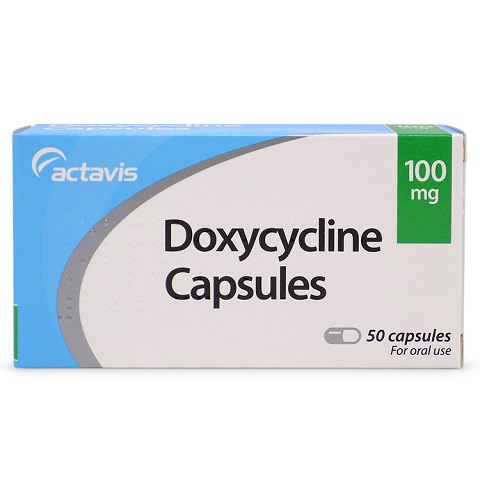
Can you obtain Doxycycline in the United States without a prescription?
No, in the United States, Doxycycline is a prescription-only medication. Only licensed healthcare providers can prescribe it, and dispensing without a valid prescription is illegal. This protects patients from counterfeit products and ensures proper medical supervision for antibiotic use, which is critical to combating resistance and adverse effects.
Summary: Key Facts about Doxycycline
| Parameter | Details |
|---|---|
| Active Ingredient | Doxycycline hyclate or monohydrate |
| Drug Category | Antibiotic (Tetracycline class) |
| Prescription Status in United States | Prescription only |
| Typical Uses | Bacterial infections, acne, Lyme disease, malaria prophylaxis, some STIs |
| Onset of Action | 24–48 hours for most infections |
| Most Common Side Effects | Gastrointestinal upset, photosensitivity |
| Absolute Contraindications | Pregnancy (second/third trimester), children <8 years, severe liver failure, allergy to tetracyclines |
| Insurance Coverage | Covered by most U.S. plans; generics widely available |
Bottom line: Doxycycline is a versatile, broad-spectrum antibiotic, but must only be used under medical supervision due to risk of resistance and potential for serious side effects.
How Does Doxycycline Work? (Mechanism of Action Explained)
Doxycycline belongs to the tetracycline class of antibiotics. Its main action is to inhibit bacterial protein synthesis by binding to the 30S ribosomal subunit. This prevents the addition of amino acids to the growing peptide chain, effectively stopping bacteria from multiplying.
In plain English: Doxycycline jams the machinery bacteria use to build essential proteins, like throwing a wrench into their assembly line. Without these proteins, bacteria can’t grow or reproduce, and your immune system can clear the infection more easily.
This mechanism means Doxycycline is bacteriostatic—it stops bacteria from multiplying but does not kill them instantly. That’s why finishing the entire prescribed course is essential, so your immune system can eliminate the remaining bacteria.
It has activity against a wide range of bacteria, including atypical organisms (e.g., Chlamydia, Mycoplasma), and some parasites. It does not work on viral infections like influenza or COVID-19.
- Myth: Doxycycline starts working instantly.
- Reality: Most people begin to feel better within 24–48 hours, but the medication works gradually. Always complete the full course, even if symptoms improve early.
Who Should and Should Not Take Doxycycline?
- Appropriate Candidates
-
- Individuals with bacterial infections proven or strongly suspected to be sensitive to Doxycycline
- Adults and children over 8 years old (unless otherwise directed by a specialist)
- Malaria prevention in travelers (per CDC protocols)
- Absolute Contraindications
-
- Known allergy to tetracyclines (rash, anaphylaxis, etc.)
- Children under 8 years old (risk of permanent tooth discoloration and bone growth inhibition)
- Pregnant women, especially in the second and third trimesters (risk of fetal harm)
- Severe liver failure
- Relative Contraindications & Cautions
-
- Lactating women (passes into breastmilk—discuss risks/benefits with physician)
- History of esophageal disorders (risk of esophagitis—must be taken with water and remain upright)
- Impaired kidney function (though Doxycycline is less nephrotoxic than other tetracyclines, caution advised)
- Porphyria
Always review your full medical history with your healthcare provider before starting Doxycycline. It is not suitable for all infections or all patients.
Dosing Guidelines and Practical Instructions
- Standard adult dose for most infections: 100 mg twice daily (or 200 mg once daily) for 7–14 days. Dosage and duration vary by indication.
- Acne: Often 50–100 mg once or twice daily, tailored by dermatologist.
- Malaria prophylaxis: 100 mg once daily, starting 1–2 days before travel and continuing for 4 weeks after leaving the area.
- Maximum recommended daily dose: 200 mg (may be exceeded for some short-term indications under specialist guidance only).
Important: Swallow tablets or capsules whole with a full glass of water, and do not lie down for at least 30 minutes to reduce risk of esophageal irritation.
- Take with food: Doxycycline can cause stomach upset; taking it with a small meal or snack is usually recommended, unless your doctor advises otherwise.
- Do not split or crush extended-release formulations.
- Missed dose: Take as soon as remembered. If it’s almost time for your next dose, skip the missed dose—never double up.
- Older adults: No routine dose adjustment needed, but monitor closely for side effects.
- Liver impairment: May require lower dose or alternative antibiotic—consult your doctor.
- Renal impairment: No adjustment typically needed, but monitor.
Always follow the exact instructions provided by your healthcare professional.
Interactions with Food, Alcohol, and Other Substances
| Substance | Can it be combined? | What happens? |
|---|---|---|
| Dairy (milk, cheese, yogurt) | Best to avoid close together | Calcium binds to Doxycycline, lowering absorption |
| Antacids, iron, magnesium, zinc supplements | Avoid within 2 hours | Reduces effectiveness by binding in the gut |
| Alcohol (moderate) | Caution | May reduce effectiveness in heavy, chronic drinkers |
| Grapefruit juice | Not a major concern | No significant effect reported |
| Oral contraceptives | Possible reduced efficacy | Rare, but use backup contraception during treatment |
| Warfarin | Monitor closely | May increase anticoagulant effect—monitor INR |
In short: Take Doxycycline with water, avoid taking it right after dairy or supplements containing calcium, magnesium, or iron, and don’t mix it with large amounts of alcohol. If you use birth control pills, add a backup method during treatment. When in doubt, ask your doctor or pharmacist in your area.
What Side Effects Are Most Common with Doxycycline?
- Very Common (>1 in 10):
- Stomach upset: nausea, vomiting, diarrhea
- Photosensitivity: increased risk of sunburn
- Common (1 in 100 – 1 in 10):
- Esophagitis or irritation if taken without enough water or lying down
- Loss of appetite
- Headache
- Rare (<1 in 1,000):
- Allergic reactions: rash, hives, anaphylaxis
- Liver toxicity in those with pre-existing liver disease
- Persistent tooth discoloration (in children)
- Very Rare (<1 in 10,000):
- Severe skin reactions (Stevens-Johnson syndrome)
- Increased pressure in the skull (pseudotumor cerebri)
What should you do if side effects occur? For mild stomach upset, try taking it with food. If you experience difficulty breathing, swelling, severe rash, or severe headache/vision changes, stop Doxycycline immediately and seek urgent care. For sun sensitivity, use sunscreen and protective clothing. Contact your doctor for advice on managing less urgent side effects.
Doxycycline vs. Alternatives: How Does It Compare?
| Feature | Doxycycline | Amoxicillin | Azithromycin |
|---|---|---|---|
| Type | Tetracycline antibiotic | Penicillin antibiotic | Macrolide antibiotic |
| Spectrum | Broad (covers atypicals) | Moderate | Broad (covers atypicals) |
| Common Use | Acne, Lyme, STIs, respiratory tract | Ear, sinus, respiratory, UTI | Respiratory, chlamydia, STIs |
| Dosage Frequency | 1–2x daily | 2–3x daily | 1x daily (usually 3–5 days) |
| Common Side Effects | GI upset, sun sensitivity | GI upset, rash | GI upset, QT prolongation |
| Cost per 7-day course (average, generic, USD) | $10–$30 | $5–$20 | $12–$40 |
| Pregnancy Safe? | No | Yes | Caution (consult doctor) |
Short answer: Doxycycline covers some bacteria that other antibiotics do not, but isn’t suitable during pregnancy or for young children. Alternatives like Amoxicillin or Azithromycin may be preferred for certain infections or populations. Always rely on your physician’s expertise for antibiotic selection.
How Doxycycline Is Processed in Your Body
Doxycycline is absorbed rapidly after oral administration, reaching peak blood levels in 1.5–4 hours. Bioavailability is high (over 90%).
- Distribution: Widely in body tissues and fluids, including respiratory tract, skin, and genitourinary system.
- Metabolism: Minimal hepatic (liver) metabolism; mostly excreted unchanged.
- Elimination: Via urine (~40%) and feces (~60%).
- Half-life (T1/2): Typically 16–22 hours in healthy adults.
This long half-life allows for once or twice daily dosing. Individuals with severe liver failure may have slower elimination and increased risk of toxicity.
For people with kidney disease: Doxycycline is safer than older tetracyclines, as it does not accumulate to the same degree—yet it must still be used with caution.
Special Considerations for Specific Patient Groups
- Children under 8 years: Avoid unless life-threatening infection and no alternatives (irreversible tooth discoloration).
- Pregnancy and breastfeeding: Generally contraindicated after the first trimester and not recommended while nursing.
- Older adults: Monitor for GI side effects and sunburn; no routine dose adjustment.
- Liver disease: Dose may need reduction or alternative antibiotic preferred.
- Kidney impairment: No adjustment typically needed, but regular monitoring is necessary.
- Driving/Operating machinery: Doxycycline does not affect alertness or coordination for most people. If you have severe side effects (e.g., dizziness, visual changes), avoid such activities and consult your doctor.
- Fertility: No evidence that Doxycycline causes infertility in men or women.
If you have concerns regarding your specific situation, ask your physician or pharmacist in your city—guidance often varies based on individual risk factors and local standards of care.
How to Legally Obtain Doxycycline in the United States: Step-by-Step
-
Consult a licensed healthcare provider.
- Schedule an in-person or telehealth appointment with a physician, nurse practitioner, or physician assistant in your state.
- Describe your symptoms, medical history, and any past reactions to antibiotics.
-
Receive a prescription.
- If appropriate, your provider will write an electronic or paper prescription for Doxycycline.
-
Fill your prescription at a licensed U.S. pharmacy.
- You can use a local retail pharmacy or a verified online/mail-order pharmacy accredited by the National Association of Boards of Pharmacy (NABP). Look for the NABP VIPPS or .pharmacy seal for online sources.
-
Pick up or receive your medication securely.
- Always check packaging for tampering and verify labeling matches your prescription.
It’s illegal and unsafe to purchase Doxycycline from websites that do not require a prescription. Counterfeit or substandard medications are common in such channels and can pose serious health risks.
How to Avoid Counterfeit Doxycycline: Quality and Security
Counterfeit antibiotics are a real threat in the United States, especially through unverified online sources. Here’s how to identify genuine Doxycycline:
- Packaging: U.S.-approved Doxycycline comes in blister packs or pharmacy-labeled bottles. Check for clear markings, lot numbers, and expiration dates.
- Labeling: Should include drug name, strength, manufacturer, and dispensing pharmacy details. Misspellings or poor print quality are red flags.
- Pill appearance: Color, shape, and imprint code should match the description provided by your pharmacist or on the manufacturer’s website. Variations could indicate non-genuine product.
- Verification codes/holograms: Some manufacturers include QR codes or security holograms—scan with your phone if available.
- Price too good to be true? Unusually cheap offers are a warning sign for counterfeit or diverted drugs.
- FDA-approved generics are equivalent in safety and effectiveness to branded versions but may differ in inactive ingredients (fillers, dyes).
- If you have known allergies to certain excipients, ask your pharmacy for a list of inactive ingredients or request a specific manufacturer.
- Generics are widely used across the United States and are covered by most insurance plans.
If you’re unsure about your medication’s authenticity, contact your pharmacist or report suspicious sources to the FDA’s MedWatch Program.
Insurance, Costs, and United States-Specific Availability
Insurance coverage: Most U.S. private insurance, Medicaid, and Medicare plans cover generic Doxycycline. Copays are typically low ($5–$30 for a standard course), depending on your plan and pharmacy network.
- Brand-name versions (e.g., Vibramycin) may be more expensive and not always reimbursed if a generic is available.
- Pharmacy discount programs and manufacturer coupons can further reduce out-of-pocket costs.
- Some telehealth platforms offer integrated prescription and mail-order delivery for added convenience, especially in large cities (e.g., New York, Los Angeles, Chicago).
Availability: Doxycycline generics are widely available at all U.S. chain pharmacies, independent, and mail-order pharmacies.
What Should I Do If Doxycycline Does Not Work?
Don’t panic—there are several reasons Doxycycline might not provide the desired effect:
- The infection is caused by a resistant organism, a virus, or a non-bacterial issue.
- You might not have taken the medication as prescribed (missed doses, incorrect intervals).
- In some cases, a longer course or different antibiotic is needed.
If you don’t see improvement within 2–3 days, or your symptoms worsen, contact your healthcare provider. Never increase your dose or add other antibiotics without explicit medical direction—this can be dangerous and contribute to antibiotic resistance.
Overdose: What to Do Immediately
- Stop taking Doxycycline immediately.
- Call 911 or your local emergency number if you experience severe symptoms (trouble breathing, chest pain, severe allergic reaction, confusion, or unconsciousness).
- Inform emergency personnel about the amount and timing of Doxycycline taken.
- If possible, bring the medication packaging or prescription label with you.
Symptoms of overdose may include severe nausea, vomiting, diarrhea, confusion, or liver dysfunction. There is no specific antidote; treatment is supportive and based on symptoms. Early medical attention greatly improves outcomes.
Frequently Asked Questions (FAQ) about Doxycycline in the United States
- Can I get Doxycycline without a prescription in the United States?
- No, Doxycycline is prescription-only by law. Buying without a prescription is illegal and unsafe.
- How long does it take for Doxycycline to work?
- Most people start to feel better within 24–48 hours, but always complete the full prescribed course.
- Can I drink alcohol while taking Doxycycline?
- Light or occasional drinking is unlikely to affect Doxycycline, but chronic heavy alcohol use may reduce its effectiveness. Always discuss with your doctor.
- Does Doxycycline cause sun sensitivity?
- Yes, photosensitivity is common. Use sunscreen and protective clothing when outdoors.
- Can Doxycycline be taken with other antibiotics?
- Sometimes, depending on infection type, but only under medical supervision due to risk of adverse reactions.
- Is Doxycycline safe in pregnancy?
- No, especially after the first trimester—risk of harm to fetus. Your doctor will recommend safer alternatives.
- What should I do if I miss a dose?
- Take it as soon as you remember, unless it’s almost time for the next dose. Never double up.
- Is there a risk of dependence or withdrawal with Doxycycline?
- No, Doxycycline does not cause dependence or withdrawal symptoms.
- Are generics as good as branded Doxycycline?
- Yes, FDA-approved generics are equivalent in quality, safety, and effectiveness.
- How can I report a suspected side effect or counterfeit drug?
- Contact your healthcare provider and report to the FDA MedWatch Program.
References
- FDA. Doxycycline: Drug Label & Prescribing Information. U.S. Food and Drug Administration. Accessed Apr 2026. https://www.accessdata.fda.gov/drugsatfda_docs/label/2024/050012s049lbl.pdf
- Centers for Disease Control and Prevention. Doxycycline: Malaria Prophylaxis Guidance. Accessed Apr 2026. https://www.cdc.gov/malaria/travelers/drugs.html
- Lexicomp Online, Doxycycline Monograph. Wolters Kluwer, 2026. https://www.wolterskluwer.com/en/solutions/lexicomp
- National Library of Medicine. Doxycycline: MedlinePlus Drug Information. Updated 2026. https://medlineplus.gov/druginfo/meds/a682063.html
- PubMed. Recent Clinical Trials on Doxycycline (2023–2026). https://pubmed.ncbi.nlm.nih.gov/?term=doxycycline&filter=years.2023-2026
- National Association of Boards of Pharmacy (NABP) .pharmacy Program. Accessed Apr 2026. https://nabp.pharmacy/programs/accreditation/pharmacy/