
- Home/
- Buy Ventolin Inhaler at Low Price in the United States
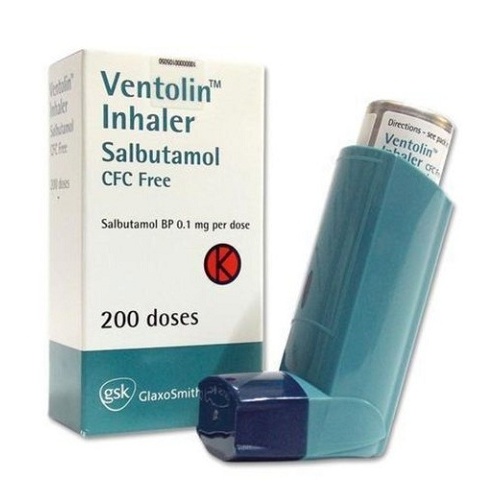
In the United States, Ventolin Inhaler (salbutamol) is a prescription-only medication approved by the FDA for the relief of asthma and other reversible airway diseases. It cannot be legally obtained without a valid prescription from a licensed healthcare provider.
Key Takeaways
- Ventolin Inhaler is primarily used for rapid relief of asthma symptoms and is suitable for people diagnosed with asthma or chronic obstructive pulmonary disease (COPD).
- The onset of relief is typically within minutes, but it is not a substitute for daily asthma control medications.
- A prescription from a licensed healthcare provider is required to obtain Ventolin Inhaler in the United States.
- Overuse or incorrect use can lead to severe side effects, including heart and nervous system complications.
- If you need your inhaler more often than prescribed, seek medical attention, as this may indicate poorly controlled asthma.
- Always purchase Ventolin Inhaler from a verified pharmacy to avoid counterfeit products.
Contents
- How does Ventolin Inhaler work in the body?
- Expert insights: Patient expectations vs. clinical realities
- How to use Ventolin Inhaler: Dosage and timing
- Food, alcohol, and lifestyle: What affects Ventolin Inhaler?
- Who should and should not use Ventolin Inhaler?
- What side effects are most common with Ventolin Inhaler?
- Common mistakes with Ventolin Inhaler and how to avoid them
- How does Ventolin Inhaler compare to alternatives?
- Ventolin Inhaler: Technical data at a glance
- Step-by-step: Obtaining Ventolin Inhaler in the United States
- Doctor Q&A: Practical clinical insights
- Can Ventolin Inhaler interact with other medications?
- Pharmacokinetics: How is Ventolin Inhaler processed in the body?
- Ventolin Inhaler in special patient populations
- Online pharmacy safety: How to buy Ventolin Inhaler safely
- Counterfeit detection and generics: Ensuring authenticity
- Overdose management: What to do in case of an emergency
- Empathy: Psychological support for asthma patients
- Clinical assessment by doctor: Who truly benefits from Ventolin Inhaler?
- FAQ: Quick answers to common questions
- References
How does Ventolin Inhaler work in the body?
Ventolin Inhaler contains the active ingredient salbutamol (also known as albuterol in the United States), which is a selective beta-2 adrenergic receptor agonist. When inhaled, salbutamol binds to beta-2 receptors in the smooth muscle cells lining the airways. This interaction stimulates adenylate cyclase, increasing cyclic AMP (cAMP) production inside cells. Elevated cAMP levels cause relaxation of bronchial smooth muscle, leading to rapid widening (bronchodilation) of constricted airways—a hallmark of asthma or COPD exacerbations.
Metaphorically, you can imagine Ventolin Inhaler as a key that unlocks the “tension” in airway muscles, allowing air to move in and out more freely, much like opening the dam gates to let water flow unimpeded.
The onset of action occurs within 5 minutes for most patients, with the peak effect typically seen in 15–30 minutes. The duration of relief usually lasts 4–6 hours. Notably, Ventolin Inhaler acts independently of external triggers—its efficacy is determined by how well the medication reaches the target bronchioles, which depends on proper inhalation technique.
Myth vs Reality: Myth: “Ventolin Inhaler works even if you don’t have airway narrowing.” Reality: Ventolin has little effect in the absence of bronchospasm and should not be used solely as a preventive medication.
Recent studies: A 2024 multicenter trial (N=675) confirmed consistent bronchodilation with salbutamol in moderate asthma, with 89% of patients reporting relief within 10 minutes (PubMed).
Why Patients Overestimate the Power of “Rescue” Inhalers
In my experience, many patients believe that Ventolin Inhaler can manage all aspects of their respiratory condition. It’s common for people to rely on the inhaler for any breathlessness, assuming it’s a catch-all solution. However, Ventolin is not designed to treat the underlying inflammation in asthma—it’s a rescue medication for acute symptoms. I often see patients disappointed when their inhaler seems less effective after repeated use, not realizing that overuse may signal worsening disease or incorrect technique. Few ask about proper inhalation methods or how often they should need the inhaler if their disease is well controlled. These are the kinds of conversations that shape successful, long-term asthma management but are rarely initiated by patients themselves.
How to use Ventolin Inhaler: Dosage and timing
- Standard adult dose for acute symptoms: 1–2 inhalations (90–180 mcg), repeated every 4–6 hours as needed. Maximum: 8 inhalations in 24 hours.
- Children (age 4–11): 1 inhalation (90 mcg) every 4–6 hours, not to exceed 4 inhalations in 24 hours unless otherwise prescribed.
- For exercise-induced bronchospasm: 2 inhalations, 15–30 minutes before activity.
- Peak onset: Within 5–15 minutes.
- Duration of action: 4–6 hours.
Never exceed the maximum daily dose. Overuse can increase the risk of potentially life-threatening side effects, including heart rhythm disturbances.
For older adults or those with liver/kidney impairment: No dosage adjustment is typically required, but increased monitoring is advised due to enhanced sensitivity to side effects.
- Can the inhaler be split or altered? No. The metered-dose inhaler delivers precise doses that should not be tampered with.
Important tip: If you are using your inhaler more frequently than prescribed, or if symptoms worsen, contact your doctor immediately.
Food, alcohol, and lifestyle: What affects Ventolin Inhaler?
- Food: No significant interaction. Meals do not affect the absorption or action of inhaled salbutamol.
- Alcohol: Moderate alcohol consumption is generally not contraindicated, but excessive alcohol can worsen respiratory symptoms and interact with medications used to manage asthma or COPD.
- Grapefruit juice: No clinically significant interaction reported with inhaled salbutamol.
- Caffeine: High caffeine intake may enhance potential side effects, such as tremor or palpitations.
Smoking and vaping: Both can worsen airway hyperreactivity and reduce the effectiveness of asthma management, indirectly making Ventolin Inhaler less effective over time.
Who should and should not use Ventolin Inhaler?
- Absolute contraindications (never use):
-
- Known hypersensitivity to salbutamol or any component of the inhaler.
- Severe hypersensitivity to excipients (inactive ingredients, see product labeling for details).
- Relative contraindications (use with caution and under close supervision):
-
- Uncontrolled cardiac arrhythmias (risk of exacerbation due to beta-2 stimulation).
- Severe hypertension or history of heart failure.
- Hyperthyroidism (increased susceptibility to side effects such as tachycardia).
- Diabetes mellitus (risk of transient hyperglycemia).
- Recent myocardial infarction (within 6 weeks; consult cardiologist before use).
- Pregnancy and breastfeeding: Use only if clearly necessary and prescribed by a physician.
Why? Salbutamol can increase heart rate and cause palpitations, which may precipitate arrhythmias or worsen heart conditions.
What side effects are most common with Ventolin Inhaler?
- Very common (>1/10): Tremor, headache.
- Common (>1/100, <1/10): Palpitations, muscle cramps, nervousness, rapid heartbeat (tachycardia).
- Uncommon (>1/1,000, <1/100): Mouth or throat irritation, cough, nausea.
- Rare (>1/10,000, <1/1,000): Hypokalemia (low blood potassium), paradoxical bronchospasm (worsening breathing), chest pain.
- Very rare (<1/10,000): Severe allergic reactions (anaphylaxis), hallucinations, arrhythmias.
Mechanism: Tremor and palpitations are caused by beta-2 receptor stimulation in skeletal muscle and the heart, respectively.
What to do if side effects occur? Mild symptoms (tremor, headache) often resolve with dose adjustment or improved inhaler technique. Severe symptoms (chest pain, rapid heartbeat, severe shortness of breath, or anaphylaxis) require immediate medical attention—call 911.
Frequent Pitfalls: How Patients Misuse Ventolin Inhaler and What to Do Instead
- Incorrect inhaler technique: Many users fail to time inhalation with actuation, reducing medication delivery to the lungs. Solution: Ask your healthcare provider to demonstrate and check your technique regularly.
- Skipping priming or not shaking the inhaler: Unprimed or unmixed inhalers deliver inaccurate doses. Solution: Always shake and prime according to instructions, especially after new or unused inhalers.
- Over-reliance on Ventolin for daily control: Using the inhaler instead of prescribed daily preventer medications (such as inhaled steroids) can worsen asthma control. Solution: Use Ventolin only for rapid symptom relief as instructed.
- Neglecting regular cleaning: A blocked or dirty mouthpiece reduces dose accuracy and can increase infection risk. Solution: Clean the mouthpiece weekly as per manufacturer’s instructions.
- Ignoring dose counters: Continuing to use an empty inhaler can be life-threatening. Solution: Monitor the dose counter and obtain a refill before running out.
- Failing to seek help for increasing use: If you need the inhaler more than twice a week (except for exercise), your asthma may be poorly controlled. Solution: Contact your doctor to reassess your treatment plan.
How does Ventolin Inhaler compare to alternatives?
| Medication | Active Ingredient | Onset Speed | Duration | Estimated Price (USD, 2026) | Key Pros | Key Cons |
|---|---|---|---|---|---|---|
| Ventolin HFA | Albuterol (Salbutamol) | 5 min | 4–6 hrs | $35–$70 per inhaler | Fast, widely available, familiar | May cause tremor, heart effects |
| ProAir HFA | Albuterol | 5 min | 4–6 hrs | $30–$65 per inhaler | Similar efficacy, often covered by insurance | Similar side effects |
| Xopenex HFA | Levalbuterol | 3–5 min | 4–6 hrs | $50–$110 per inhaler | Less tremor in some patients | Higher cost, not always covered |
Bottom line: Ventolin and its generics are first-line for rapid relief; levalbuterol (Xopenex) may be preferred in those with excessive side effects from albuterol, though at a higher cost.
Ventolin Inhaler: Technical data at a glance
| Active Ingredient | Albuterol sulfate (Salbutamol) |
| Delivery Method | Pressurized Metered-Dose Inhaler (pMDI) |
| Strength per Actuation | 90 mcg |
| Typical Inhalations per Device | 200 |
| Peak Onset Time | 5–15 minutes |
| Duration of Effect | 4–6 hours |
| Storage | Room temperature (68–77°F) |
| Prescription Status (US) | Prescription only (Rx) |
Step-by-step: Obtaining Ventolin Inhaler in the United States
- Step 1: Schedule a medical consultation. You may see a primary care provider, pulmonologist, allergist, or use a licensed telehealth service.
- Step 2: Receive a clinical assessment. Your provider will evaluate your respiratory symptoms, medical history, and may conduct lung function testing.
- Step 3: Obtain a prescription. If Ventolin Inhaler is clinically indicated, your doctor will issue a prescription (paper or electronic).
- Step 4: Fill your prescription at a pharmacy. Bring your prescription to a licensed brick-and-mortar or verified online pharmacy. Insurance coverage and copays may vary.
- Step 5: Receive instructions for use. Pharmacists will counsel you on inhaler technique and answer questions. Telehealth providers may offer remote instruction.
- Step 6: Monitor your symptoms. Regular follow-up is essential to ensure optimal control of your asthma or COPD.
Clinical Questions Patients Often Ask doctor
- How will I know if Ventolin Inhaler is working?
- You should notice easier breathing, less chest tightness, or reduced wheezing within a few minutes. If your symptoms do not improve or worsen after use, seek medical help promptly.
- Is it normal to feel shaky or have a racing heart after using the inhaler?
- Mild tremor or rapid heartbeat is a known effect of albuterol. These usually resolve within 30 minutes. If these symptoms are severe or persistent, let your doctor know, as dosage adjustment may be needed.
- Can I use Ventolin for allergy symptoms like nasal congestion?
- No. Ventolin Inhaler is effective for bronchospasm but will not relieve nasal or eye symptoms of allergies.
- Should I use my inhaler before exercise if I don’t have symptoms?
- If you have exercise-induced asthma and your doctor has advised, use 2 puffs 15–30 minutes before activity. Otherwise, routine pre-exercise use is not necessary.
- How often should my inhaler technique be checked?
- At least once a year, or any time you feel your medication is less effective. Poor inhaler technique is a leading cause of treatment failure.
- Can Ventolin be used in an emergency if my daily controller isn’t working?
- Yes, for acute relief. However, needing frequent emergency use means your asthma is likely poorly controlled and warrants prompt reassessment by your physician.
- Is it safe to use Ventolin Inhaler with other asthma medications?
- In most cases, yes. Ventolin is commonly used alongside inhaled corticosteroids or long-acting bronchodilators, but your doctor should review all medications to prevent overuse or interactions.
Can Ventolin Inhaler interact with other medications?
| Medication/Product | Can it be combined? | Possible Consequences |
|---|---|---|
| Inhaled corticosteroids | Yes | No significant interaction; often used together |
| Beta-blockers (e.g., propranolol) | NO | Can blunt bronchodilation; risk of asthma attack |
| Diuretics (e.g., furosemide) | Use with caution | Increased risk of low potassium (hypokalemia) |
| Monoamine oxidase inhibitors (MAOIs) | Caution | Potential cardiovascular effects |
| Caffeine | Yes, in moderation | May increase tremor or nervousness |
Always inform your healthcare provider of all medications you are taking before starting Ventolin Inhaler.
Pharmacokinetics: How is Ventolin Inhaler processed in the body?
- Absorption: When inhaled, about 10–20% of the dose reaches the lower respiratory tract; the rest is swallowed and absorbed via the GI tract.
- Metabolism: Primarily metabolized in the liver to inactive 4′-O-sulfate.
- Elimination: Excreted mainly by the kidneys (urine), with a small portion eliminated via feces.
- Half-life (T1/2): 3.8–6 hours, depending on individual metabolism and liver function.
Implications for chronic conditions: In patients with severe liver or kidney impairment, accumulation is unlikely at standard dosages but caution is advised. Dose adjustment is rarely needed.
Ventolin Inhaler in special patient populations
- Children & adolescents: Safe when used at recommended pediatric doses, but always under physician supervision.
- Elderly: May be more sensitive to side effects (tremor, palpitations); monitor closely.
- Pregnancy: Not contraindicated; use only if benefits outweigh risks as determined by physician. No known teratogenic effects.
- Breastfeeding: Salbutamol is excreted in breast milk in very small amounts, but no adverse effects reported in humans.
- Driving or operating machinery: Unlikely to impair ability, but tremor or dizziness may occur in rare cases.
- Fertility: No evidence of adverse effects on fertility in humans.
Online pharmacy safety: How to buy Ventolin Inhaler safely
- Only purchase Ventolin Inhaler from licensed pharmacies that require a valid prescription. Verified pharmacies in the U.S. are accredited through the National Association of Boards of Pharmacy (NABP) VIPPS program (nabp.pharmacy).
- Warning signs of unsafe sellers: No prescription required, prices far below market average, lack of contact information, or vague return policy.
- Counterfeit risks: Non-verified sources may sell counterfeit or substandard inhalers lacking correct doses or containing harmful substances.
- Consumer protection: FDA and state boards regulate legitimate online pharmacies. Report suspicious pharmacies or products to the FDA’s MedWatch program (fda.gov).
Counterfeit detection and generics: Ensuring authenticity
- Original Ventolin Inhaler packaging: Manufactured by GSK. Box should have a clear blue-and-white color scheme, lot number, expiration date, and a tamper-evident seal. U.S. packaging may include an NDC (National Drug Code) and a QR code or holographic label for verification.
- Appearance: The inhaler is typically blue with “Ventolin” branding embossed. The canister should fit snugly and not rattle excessively.
- Warning sign: Unusually low prices or missing labeling suggest a counterfeit or unauthorized import.
- Generics: U.S. FDA-approved generics for Ventolin Inhaler contain the same active ingredient (albuterol) and must demonstrate bioequivalence. Differences may exist in propellants or inactive ingredients (excipients) but these are regulated for safety. Patients with allergies should consult their doctor about potential excipient sensitivities.
Quality check summary: Always inspect packaging and purchase only from trusted pharmacies. If the inhaler looks or feels different than your previous prescription, verify with your pharmacist before use.
Overdose management: What to do in case of an emergency
- Stop using the inhaler immediately.
- Call 911 or your local emergency services.
- Tell the medical team exactly how many doses you took and when.
- Common overdose signs: Severe chest pain, rapid or irregular heartbeat, seizures, severe tremor, or fainting.
- Do not attempt to self-treat severe symptoms.
Empathy: Psychological support for asthma patients
You are not alone—millions in the U.S. manage asthma or COPD with daily effort and occasional setbacks. The emotional burden of respiratory symptoms is real and can affect confidence, work, and relationships. If you struggle with anxiety about your breathing or medication use, consider discussing it with your healthcare provider or a mental health professional. Sharing your concerns with supportive family members or friends can also make a difference.
Clinical Assessment by doctor: Who truly benefits from Ventolin Inhaler?
From a clinical perspective, patients with intermittent asthma or predictable triggers—such as exercise or allergen exposure—are most likely to benefit from Ventolin Inhaler as a rapid-relief medication. It’s particularly valuable for those who experience sudden symptoms but do not require daily controller medications. Conversely, individuals with frequent symptoms or those who need their inhaler more than twice per week may require a re-evaluation of their asthma management and consideration of additional therapies, such as inhaled corticosteroids. Patients with significant cardiac disease, arrhythmias, or severe hypertension require cautious use and possibly alternative treatments. When the frequency of rescue inhaler use increases, or side effects outweigh benefits, I consider stepping up therapy or switching to a different reliever. Ultimately, the goal is not just symptom relief but long-term airway protection and quality of life, which requires individualized treatment planning.
FAQ: Quick answers to common questions
- Is Ventolin Inhaler available without prescription in the U.S.?
- No. Ventolin Inhaler is a prescription-only inhaler regulated by the FDA. Pharmacies require a valid prescription from a healthcare provider before dispensing.
- How quickly does Ventolin Inhaler work?
- Relief of symptoms usually occurs within 5 minutes, with the peak effect at 15–30 minutes. If your symptoms do not improve rapidly, seek medical help.
- How much does Ventolin Inhaler cost?
- The average price in the U.S. ranges from $35–$70 per inhaler, but costs can vary depending on insurance coverage and pharmacy. Generic albuterol inhalers are often more affordable.
- Can I use Ventolin Inhaler daily?
- Daily use is not recommended unless advised by your doctor. If you need Ventolin more than twice a week, your asthma may not be well controlled, and you should discuss your treatment plan with your physician.
- Are there any serious risks with Ventolin Inhaler?
- Yes—overuse can cause heart rhythm problems, severe low potassium, or, rarely, paradoxical bronchospasm. Use only as directed and report serious symptoms immediately.
- What should I do if I miss a dose?
- Ventolin is used as needed, not on a fixed schedule. Take a dose only when you have symptoms or as prescribed for prevention (such as before exercise).
- Can I use Ventolin Inhaler with other asthma medications?
- Yes, it is commonly used alongside inhaled corticosteroids or long-acting bronchodilators. Always inform your doctor about all medications to avoid interactions and duplication.
- Will Ventolin Inhaler affect my ability to drive?
- Unlikely. However, if you experience tremor, dizziness, or other side effects, wait until you feel well before driving.
- Can children use Ventolin Inhaler?
- Yes, with pediatric dosing and under medical supervision. Children may require a spacer device to ensure correct use.
- What generic alternatives are available?
- FDA-approved generic albuterol inhalers provide equivalent efficacy and safety at a lower cost. Your pharmacist or doctor can advise which options are available.
References
- U.S. Food and Drug Administration (FDA) – Ventolin HFA (albuterol sulfate) Inhalation Aerosol, official labeling and usage information. https://www.fda.gov/drugs
- National Heart, Lung, and Blood Institute (NHLBI), Asthma Management Guidelines. https://www.nhlbi.nih.gov/
- PubMed: Efficacy and safety of salbutamol in acute asthma (2024 multicenter trial). https://pubmed.ncbi.nlm.nih.gov/
- Global Initiative for Asthma (GINA), Global Strategy for Asthma Management and Prevention. https://ginasthma.org/
- Mayo Clinic – Albuterol (Inhalation Route). https://www.mayoclinic.org/drugs-supplements/albuterol-inhalation-route/proper-use/drg-20069850
- National Association of Boards of Pharmacy (NABP) – Pharmacy Accreditation. https://nabp.pharmacy/